


NEWS

Transforming indigenous research into commercial solutions.
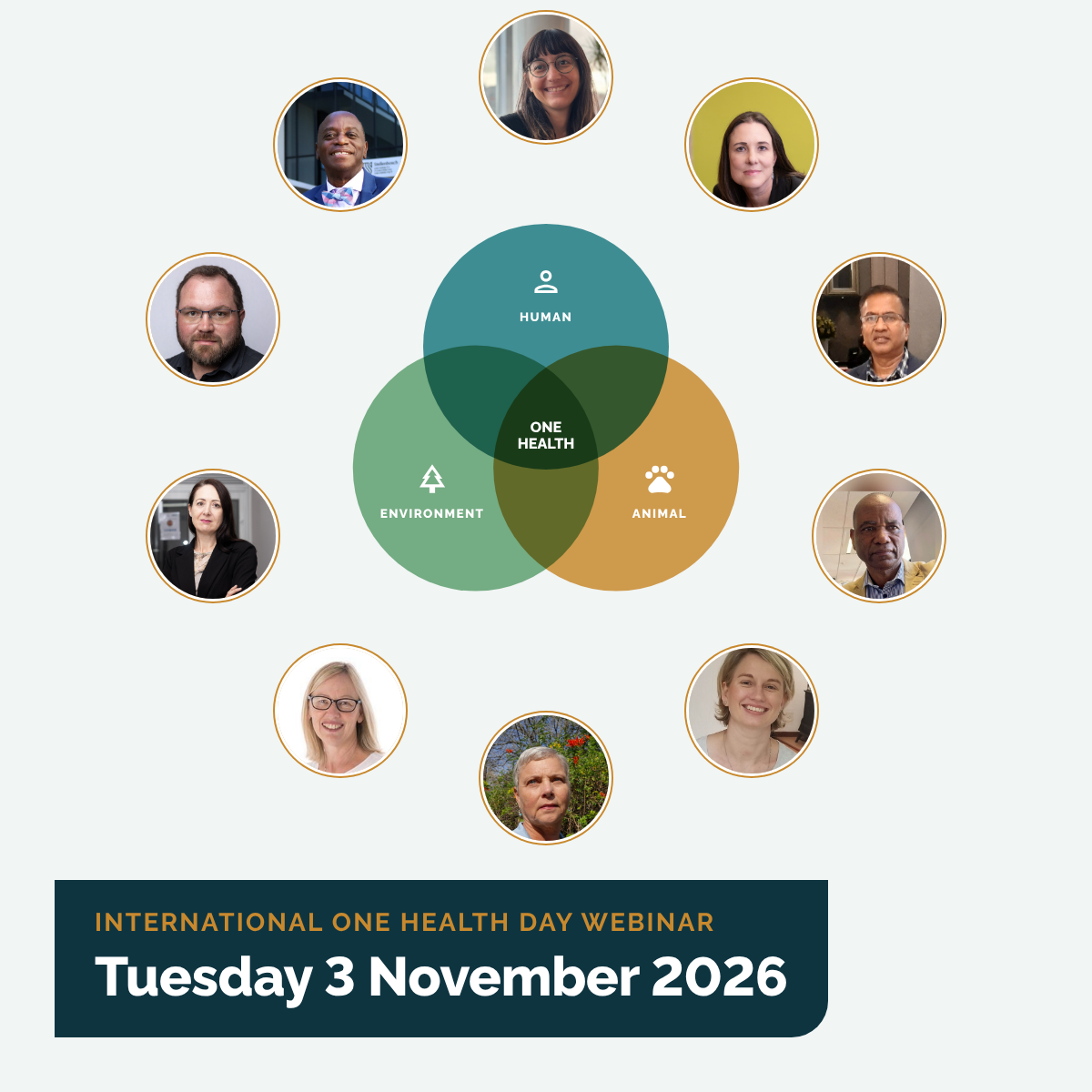
Emerging infectious diseases do not respect the boundaries between people, animals and the environment. To mark International One Health Day, Stellenbosch University’s Centre for Epidemic Response and Innovation (CERI) and the University of Pretoria host a free online webinar on Tuesday 3 November 2026, from 08:50 to 13:00 SAST. Ten speakers will examine how a One Health approach strengthens South Africa’s preparedness. Topics include tuberculosis at the human–wildlife interface, spillover prevention, arbovirus surveillance and Ebola preparedness.
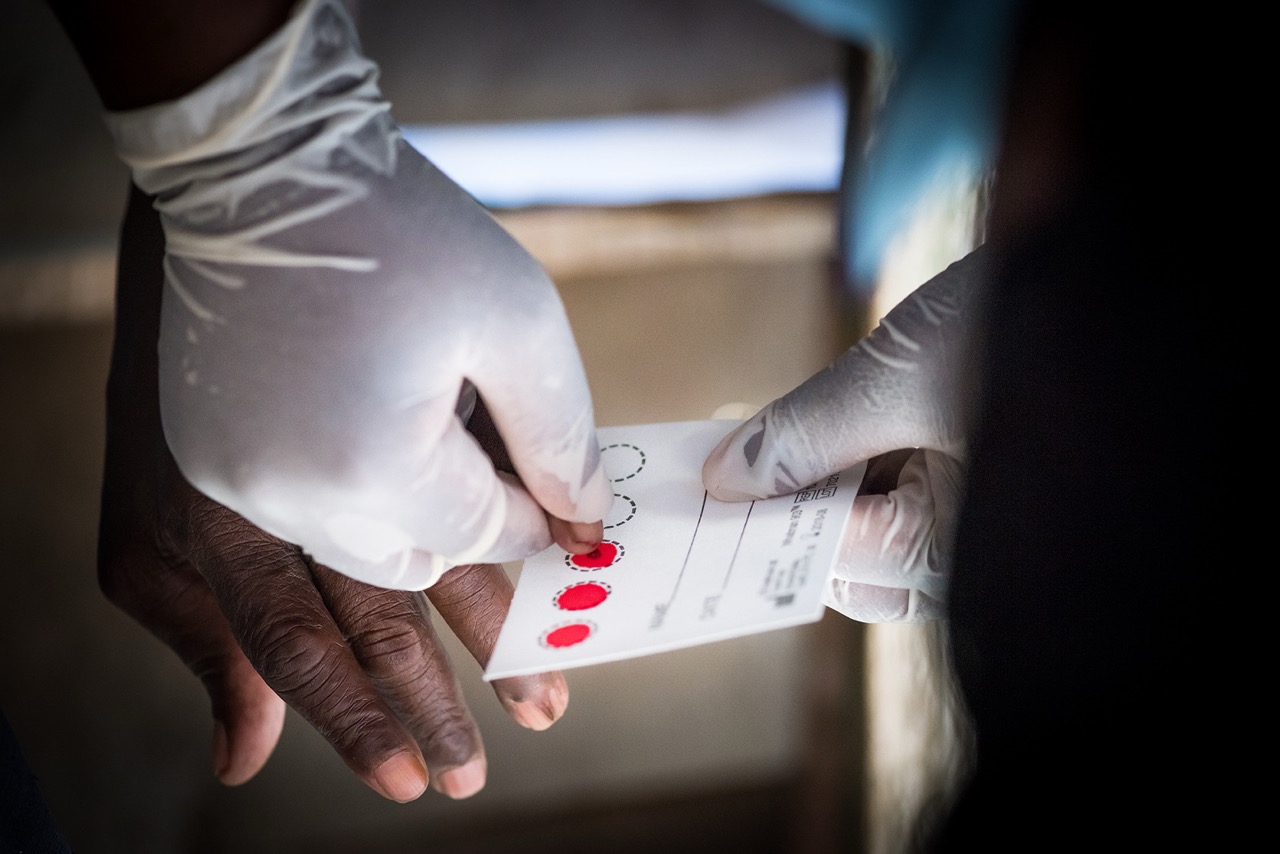
One of the world’s largest ongoing population-based HIV studies shows major declines in new infections over two decades. But from 2019, progress has stalled – and in some cases begun to reverse. A new study identifies where renewed action could help South Africa regain momentum towards epidemic control.
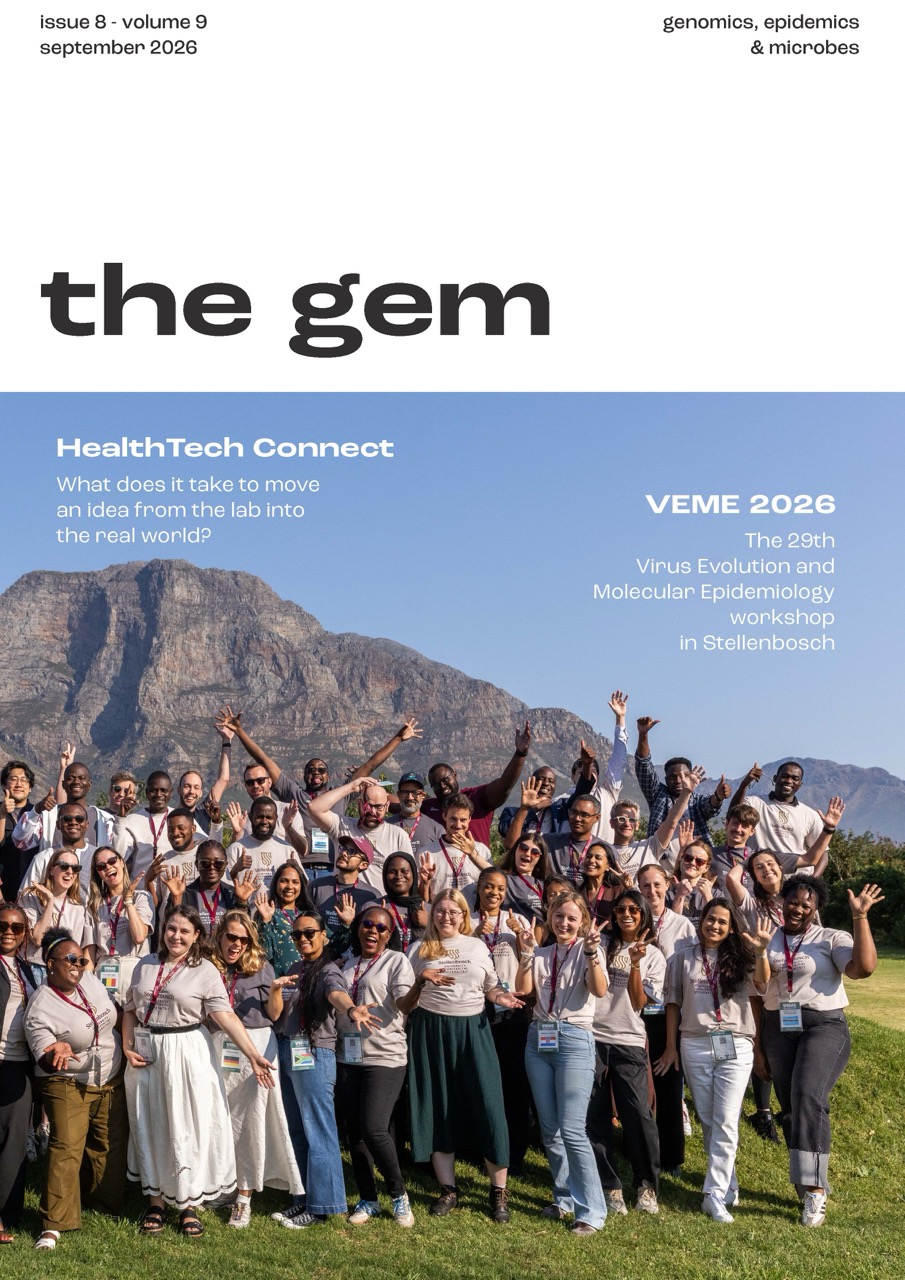
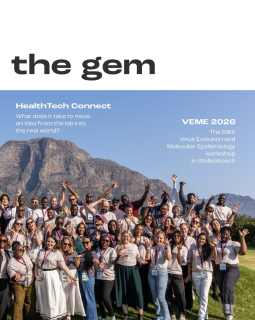
This month, two very different events brought together scientists, innovators, and health leaders with a shared purpose: turning knowledge and innovation into real-world impact. At VEME 2026, scientists explored how genomics, combined with other disciplines and AI, can detect emerging threats earlier.
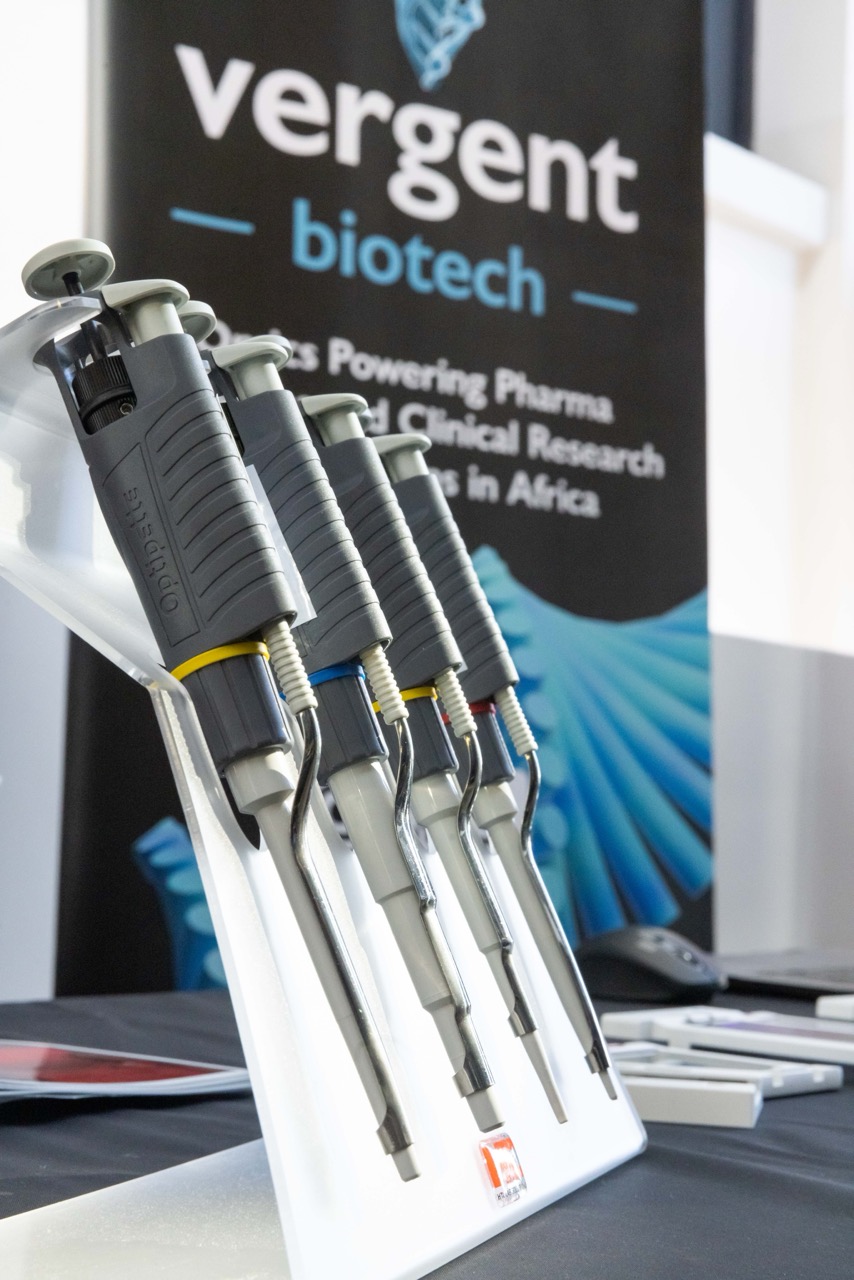
Powered by the Centre for Epidemic Response and Innovation (CERI) at Stellenbosch University, Vergent Biotech is connecting researchers, clinicians, and industry with advanced genomics sequencing and bioinformatics capabilities.
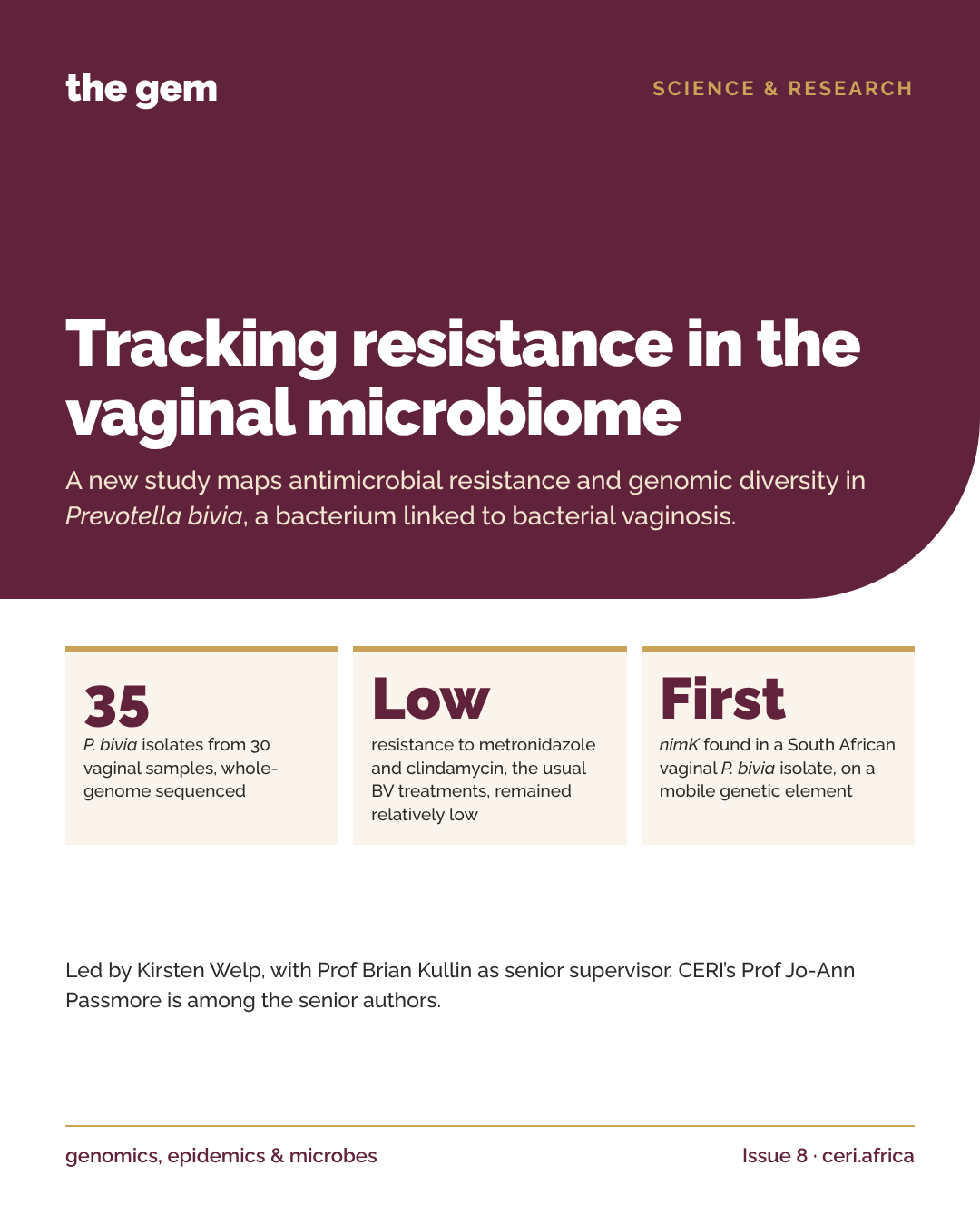
New research involving CERI’s Prof Jo-Ann Passmore provides new insight into antimicrobial resistance and genomic diversity in a key bacterium associated with bacterial vaginosis.

Why does one encounter with an Ebola virus end with a handful of cases, while another becomes a major outbreak? A new publication argues that answering this requires looking beyond the pathogen to the ecological, social, and structural conditions that shape what happens after spillover.

Levi Hosea and Kennedy Mulungu share their innovation journeys.
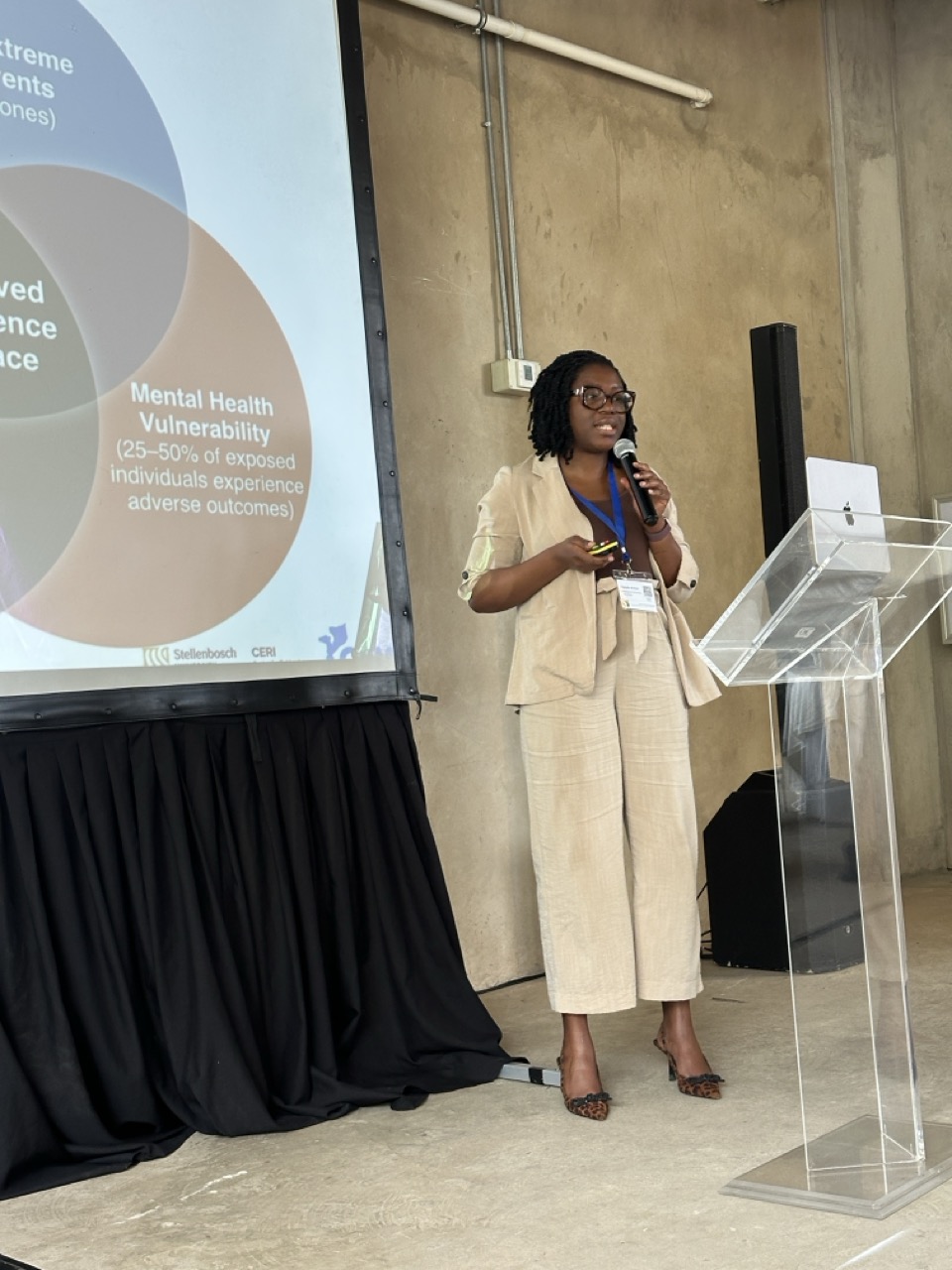
Reflections from the ASSAf–Leopoldina workshop on the connections between climate science and mental health, held from 8–10 September 2026 in Pretoria, South Africa.
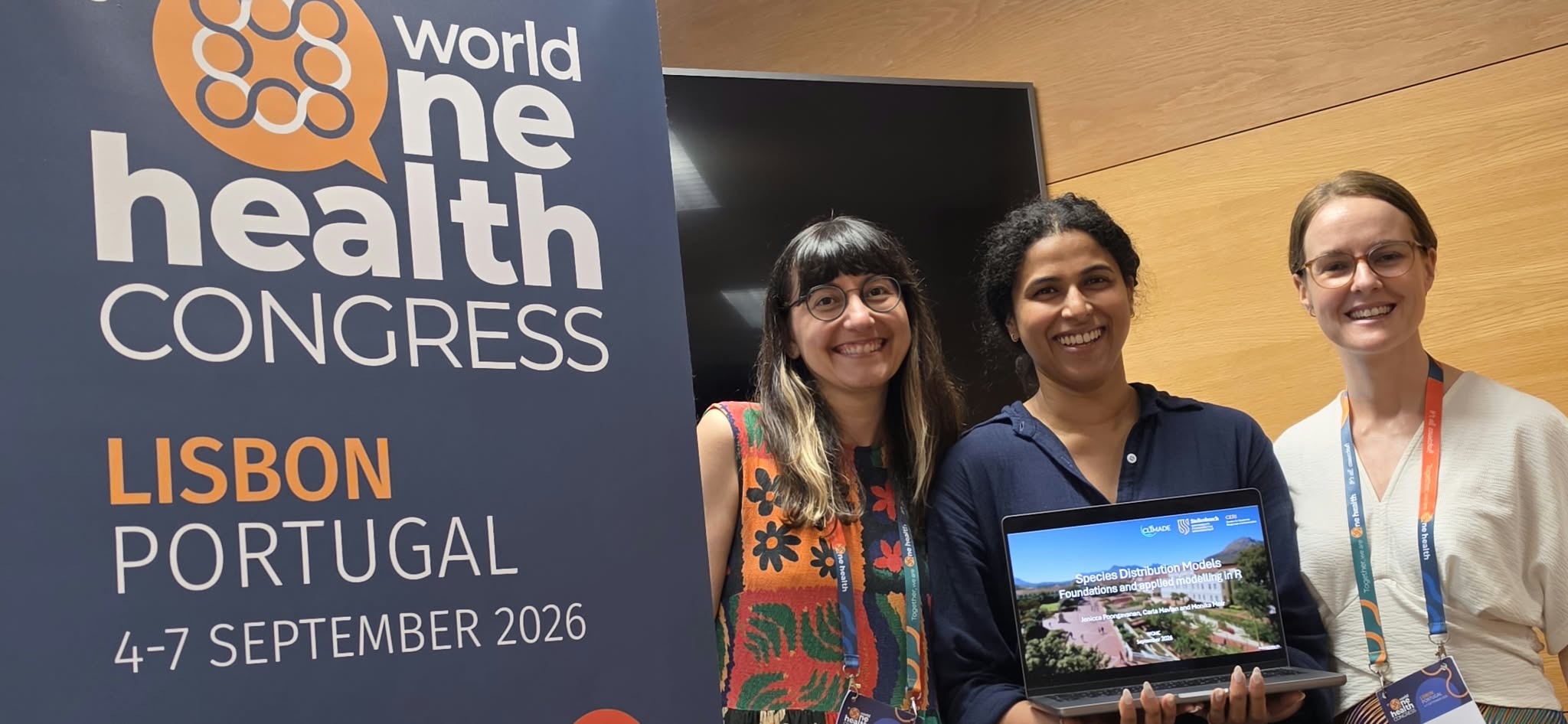
At the 9th World One Health Congress in Lisbon, Jenicca Poongavanan explored how bringing ecological and epidemiological thinking together can help us better understand disease risk.
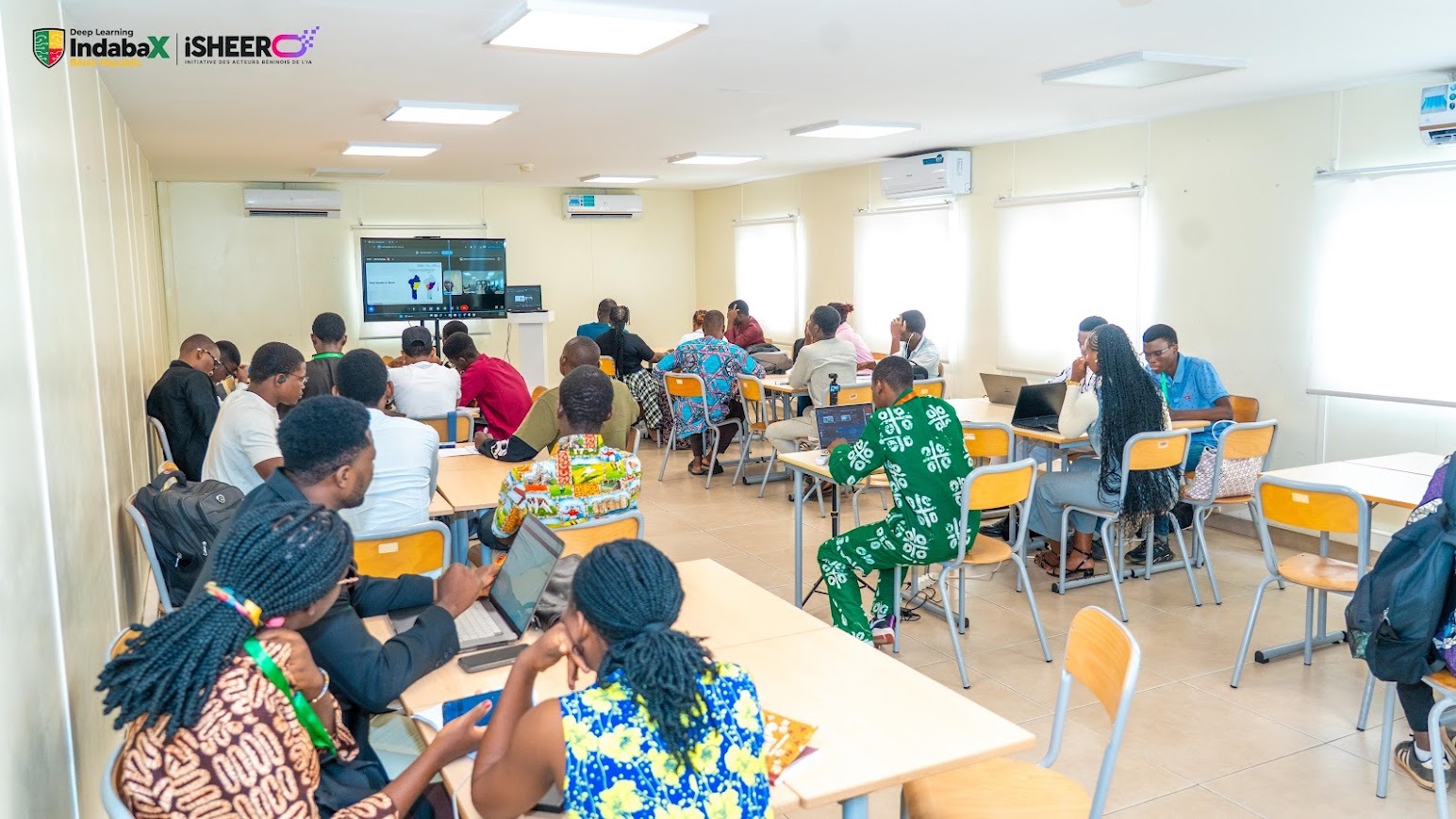
Olivier Adjagba is exploring how deep learning could help public-health teams identify where poliovirus type 2 may be detected next.
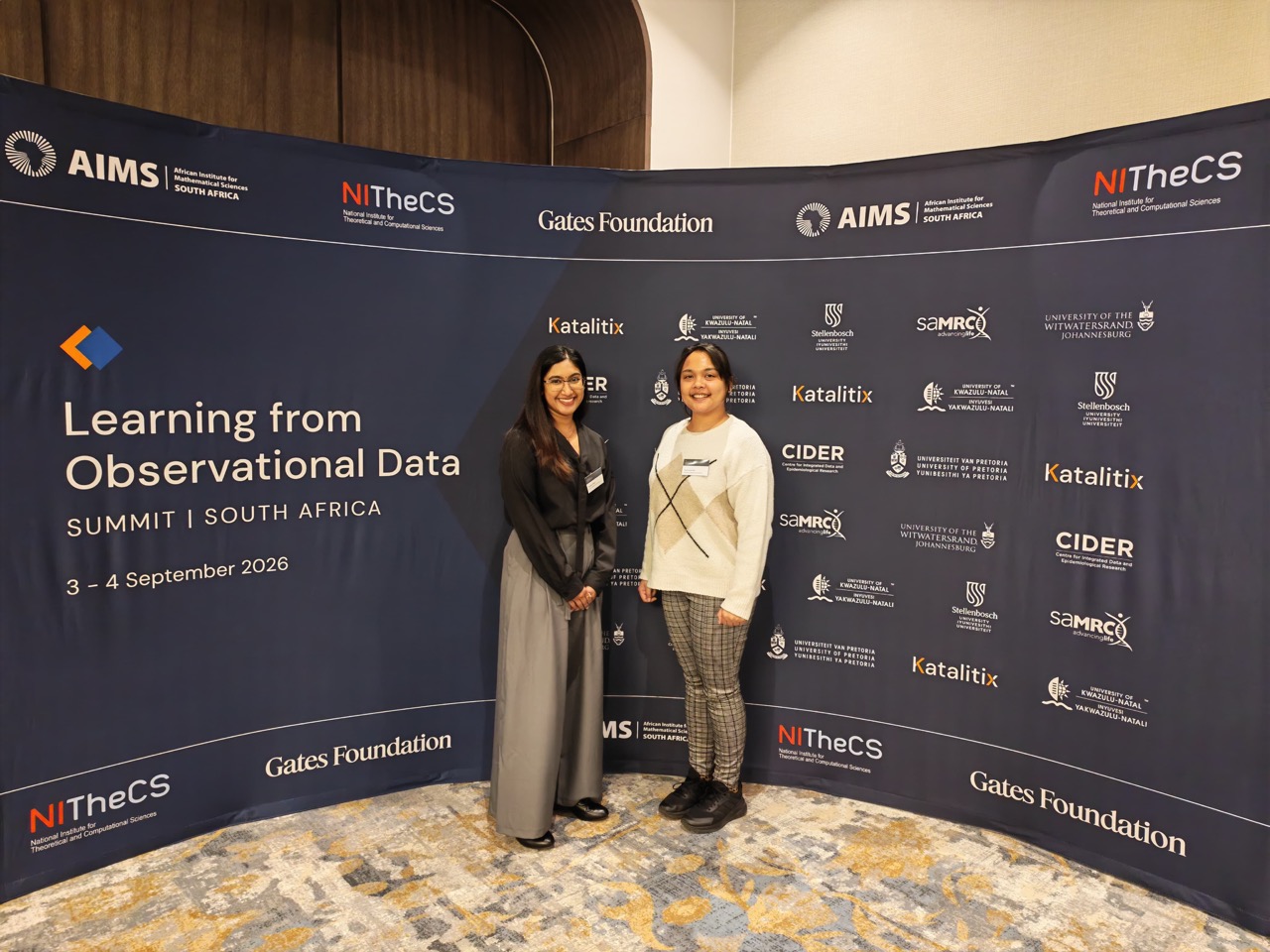
For Tammara Koh and Thenuja Pillay, a recent summit on observational data offered new ways of thinking about what health data can tell us when clinical trials are not possible.



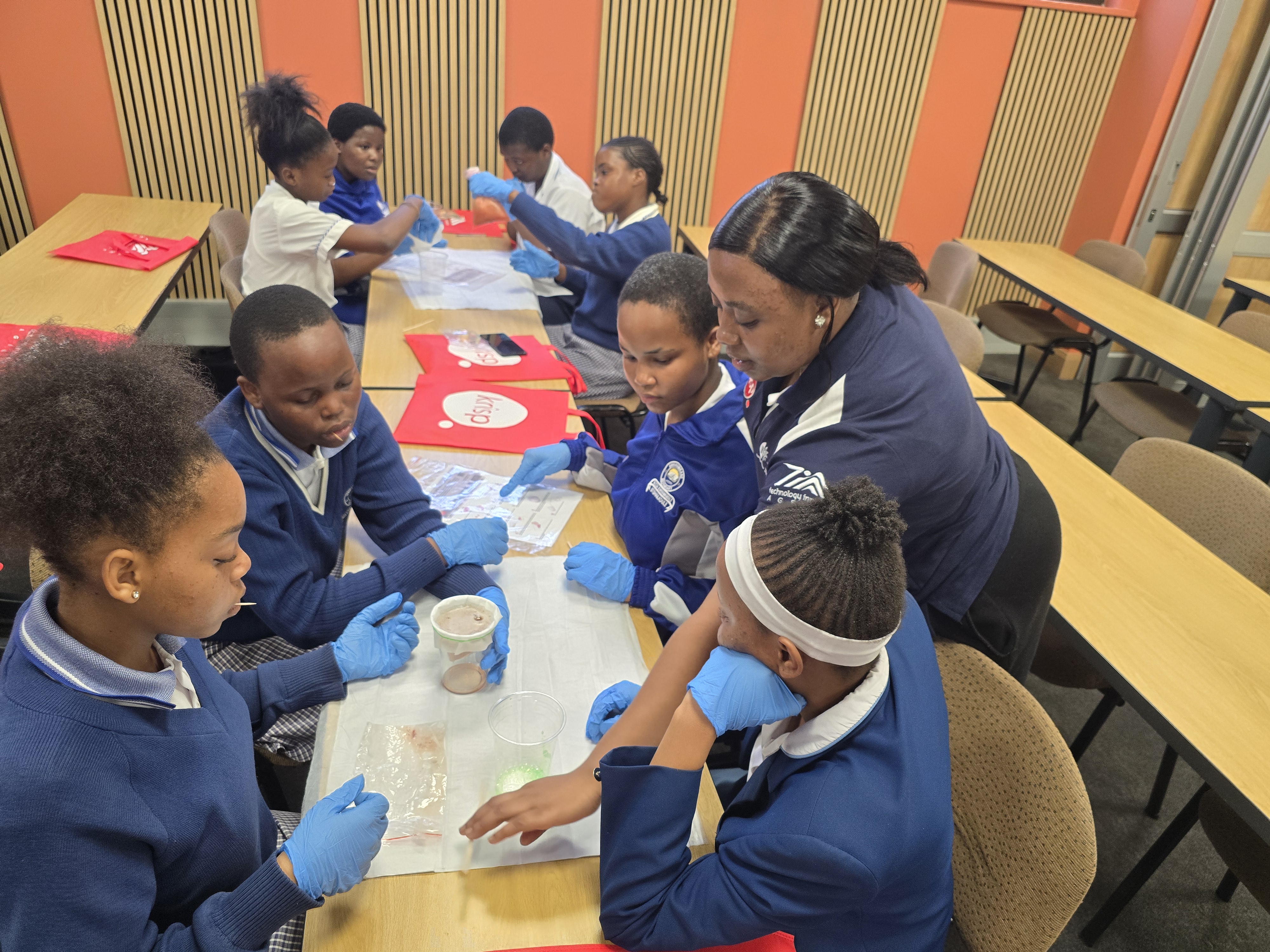
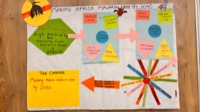
Africa is not short of the scientific expertise needed to solve its most pressing challenges, but expertise alone is not enough. For research to translate into meaningful solutions, scientists need to work outside of the box – and that means thinking creatively, engaging with diverse stakeholders and working beyond academia.

From tracing HIV evolution to understanding mpox transmission and the influence of climate on West Nile virus, researchers at VEME 2026 explored what genomic data can reveal about how viruses evolve and spread – and why interpreting those signals requires care.

Fluorobiotech was recently recognised with the Ecosystem Champion Award at the 2026 US Enterprises CEO Awards, celebrating our commitment to collaboration, opening opportunities for others, and contributing to the growth of South Africa’s biotechnology ecosystem.

Levi Hosea is exploring how genomic data can add a new dimension to infectious disease surveillance in Madagascar – helping scientists understand not only where disease is spreading, but how viruses are evolving and moving through populations.
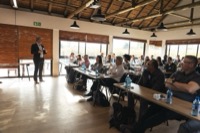
By bringing together different layers of biological data, multi-omics is opening new possibilities for understanding complex biological questions that no single approach can answer alone. This emerging field was the focus of the Cape Town Multi-Omics Roadshow, exploring its growing potential for research in South Africa.

Africa is producing promising new health technologies, but developing the innovation is only part of the journey. At Cape HealthTech Connect 2026, researchers, entrepreneurs, clinicians, and investors explored what it takes to move an idea from the lab into the real world.

CERI’s new Senior Project Accountant, Ronel Winnaar, believes in the value of collaboration, continuous learning, and doing work that makes a difference.
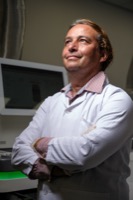
Professor Tulio de Oliveira, Director of the Centre for Epidemic Response and Innovation (CERI) at Stellenbosch University (SU), has been awarded the prestigious Gardner Lectureship Award by the European Society for Clinical Virology (ESCV), recognising his international contributions to virology, genomic surveillance and epidemic response.

The Stellenbosch University Annual Homecoming Weekend brought together more than 3 000 alumni from four continents across 53 events. Among them, CERI hosted its inaugural Fellows and African STARS Reunion; a morning of honest conversation about mentorship, collaboration and the commercialisation of African scientific innovation.

What is the value of data? Across Africa, this question is being asked, though rarely in laboratories or journals. It surfaces instead in ministries, parliament and board rooms.

From the movement of Mpox along river systems and the spread of chikungunya across Réunion Island to ancient viruses preserved in Antarctica, the winning posters at VEME 2026 showcased how genomic and evolutionary approaches can reveal where viruses have come from, how they are changing, and where they may go next.

At VEME 2026 in Stellenbosch, Professors Moritz Kraemer and Houriiyah Tegally explored a central challenge for future outbreak preparedness: how to connect increasingly diverse sources of data to detect emerging threats earlier, understand how they develop, and target surveillance more effectively.
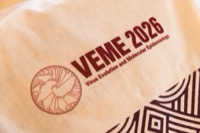
Researchers from around the world have gathered in Stellenbosch for the 29th International Bioinformatics Workshop on Virus Evolution and Molecular Epidemiology (VEME), ready for a week of intensive training, scientific exchange, and collaboration.
MOST POPULAR
BLOG

KRISP has been created by the coordinated effort of the University of KwaZulu-Natal (UKZN), the Technology Innovation Agency (TIA) and the South African Medical Research Countil (SAMRC).


Location: K-RITH Tower Building
Nelson R Mandela School of Medicine, UKZN
719 Umbilo Road, Durban, South Africa.
Director: Prof. Tulio de Oliveira