
Vergent Biotech: Expanding Access to Advanced Genomics in Africa
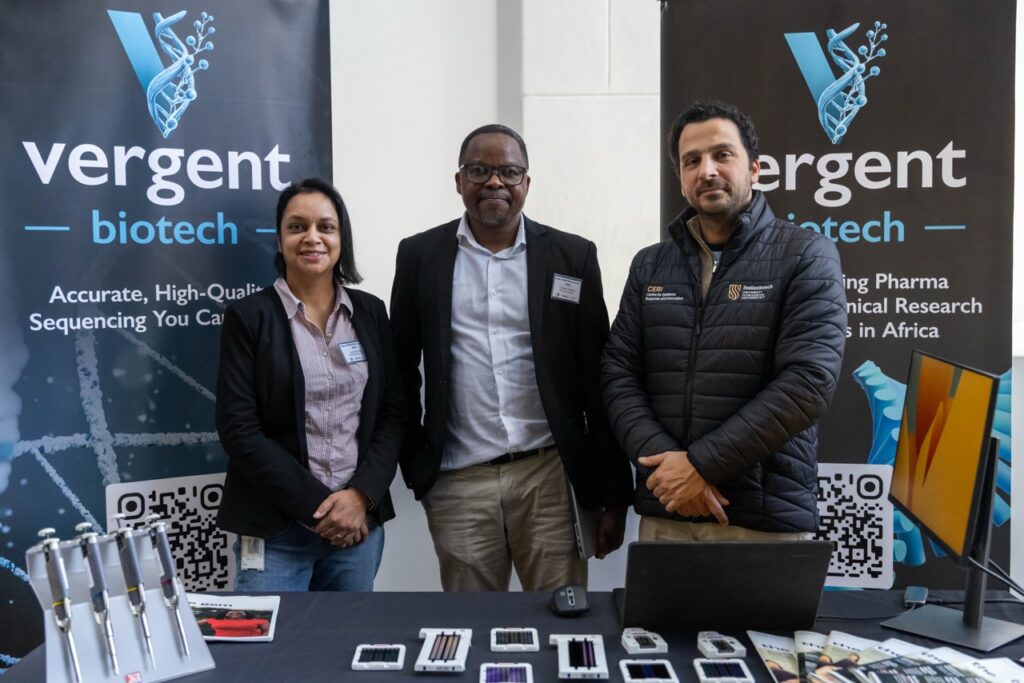
Africa holds greater human genetic diversity than any other continent, yet African populations remain significantly underrepresented in genomic research. Closing that gap requires not only scientific expertise, but access to the technologies and infrastructure needed to generate and analyse genomic data.
Vergent Biotech, a South African genomics company and spin-off company from Stellenbosch University, has been established to provide a dedicated, commercial interface between the customer and the advanced genomics infrastructure and expertise developed at CERI. Simply put, Vergent deals with the genomics consulting and commercial aspects of the service request, which will be delivered through CERI. Together, Vergent, powered by CERI, aims to provide access to one of Africa’s most advanced and automated sequencing facilities on the continent, thereby supporting a broad range of research, clinical, and public health applications.
Professor Tulio de Oliveira, Director of CERI, is the founder of Vergent and Chair of its Scientific Advisory Committee.
Through Vergent, partners can access integrated genomics workflows spanning sample processing, next-generation sequencing, bioinformatics, and data analysis. Its services include whole genome and whole exome sequencing, RNA sequencing, metagenomics, pathogen genomics, and custom genomics solutions.
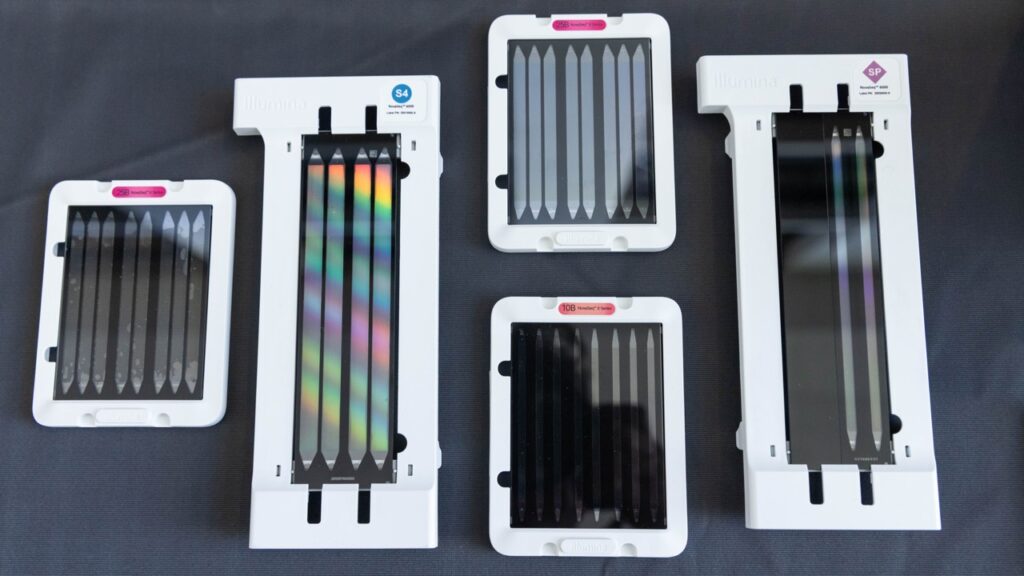
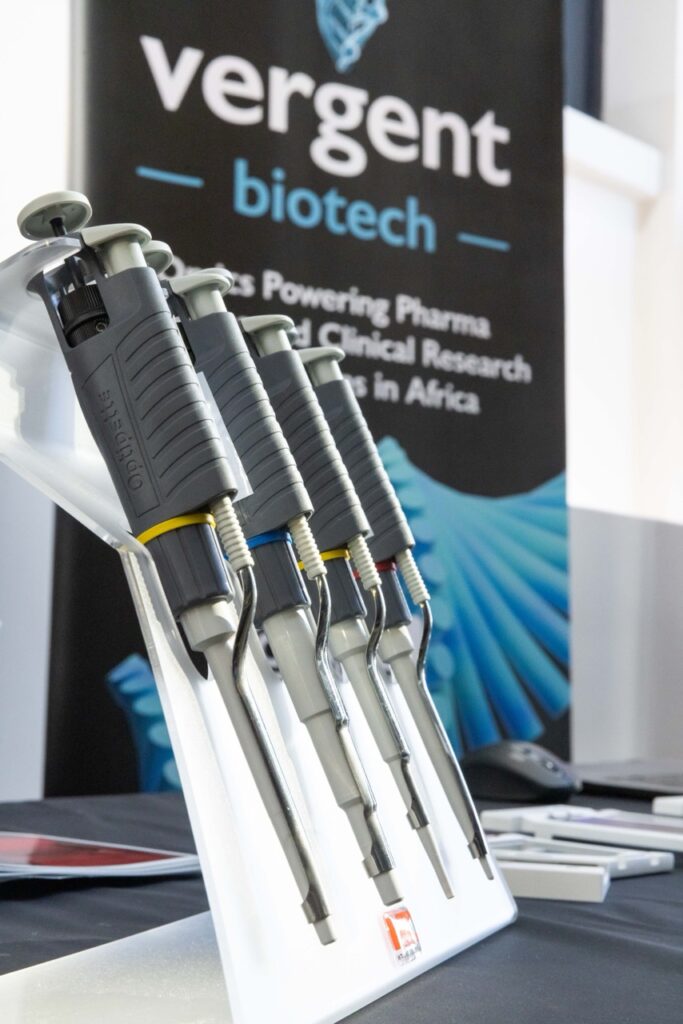
The infrastructure behind these services includes advanced Illumina sequencing platforms, including the NovaSeq XPlus, NovaSeq 6000, NextSeq 2000, and MiSeq i100, together with highly automated robotic systems for sample processing to enable the production of high-throughput and consistent results, all backed by advanced laboratory information management systems (LIMS).
“Africa needs greater access to advanced genomics infrastructure if we are to translate our scientific capacity into real-world impact. Vergent was created to open up CERI’s technology and expertise to researchers, clinicians, and industry, and help build a stronger genomics ecosystem on the continent,” says Prof de Oliveira.
Vergent’s potential applications extend across human and pathogen genomics. In clinical and research settings, whole genome and exome sequencing can support work in rare diseases, cancer, population genomics, and precision medicine. Pathogen genomics can contribute to outbreak investigation, epidemiological tracking, and antimicrobial resistance monitoring, while metagenomics and RNA sequencing open further possibilities across infectious disease, microbiome research, biomarker discovery, and functional genomics.
For biotech and pharmaceutical partners, Vergent aims to provide scalable omics data for biotechnology development and clinical trials, alongside custom sequencing workflows and assay development for specific research or industry needs.
Vergent’s approach begins with understanding what each client is trying to achieve and developing a workflow suited to their specific needs.
“Every client comes to us with a different problem to solve, and at most times very interesting research. These range from groups needing whole genome sequencing at scale, a biotech company validating a new assay, or a pharmaceutical partner looking for reliable omics data to support a trial. Our greatest asset is for us to listen, and truly understand exactly what they are trying to achieve, and translate that into a workflow that draws on CERI’s infrastructure and expertise. We want working with Vergent to be straightforward with clear scopes, dependable turnaround times, and a team that understands both the science and the commercial realities our partners are working under,” says Dr Ali Kiyaei, Commercial Officer at Vergent Biotech.
“What Vergent offers in practice is direct access to a genomics space that already operates to the highest quality standards – including ISO/IEC 17025 accreditation, so partners can trust the data generated. I’d like to see Vergent grow partnerships that build genomic capacity here on the continent – projects with African researchers, public health institutions, and biotech companies who need dependable, high-quality data to move their projects forward, without having to build that infrastructure themselves. The flexibility of our genomics model also enables researchers to choose between a complete end-to-end genomics workflow from sample processing to bioinformatics analysis, or a more budget-friendly approach making use of the laboratory’s QC and instrument services,” says Dr Lavanya Singh, Vergent Director and Head of CERI Laboratory.
The company is also developing further capabilities, including single-cell sequencing and spatial transcriptomics, while CERI is pursuing ISO 15189 accreditation to support full clinical genomics testing.
By bringing together sequencing technology, laboratory automation, scientific expertise, and bioinformatics, Vergent is helping to ensure that advanced genomics conducted in Africa can draw on African infrastructure, expertise, and genetic data – supporting genomic research from sample to insight and translating those insights into applications in health, science, and biotechnology.
Find out more about Vergent Biotech here:
https://vergentbiotech.com/
News date: 2026-10-06
Links:
KRISP has been created by the coordinated effort of the University of KwaZulu-Natal (UKZN), the Technology Innovation Agency (TIA) and the South African Medical Research Countil (SAMRC).


Location: K-RITH Tower Building
Nelson R Mandela School of Medicine, UKZN
719 Umbilo Road, Durban, South Africa.
Director: Prof. Tulio de Oliveira