
CERI's Genomic Expertise Advances Malaria Research
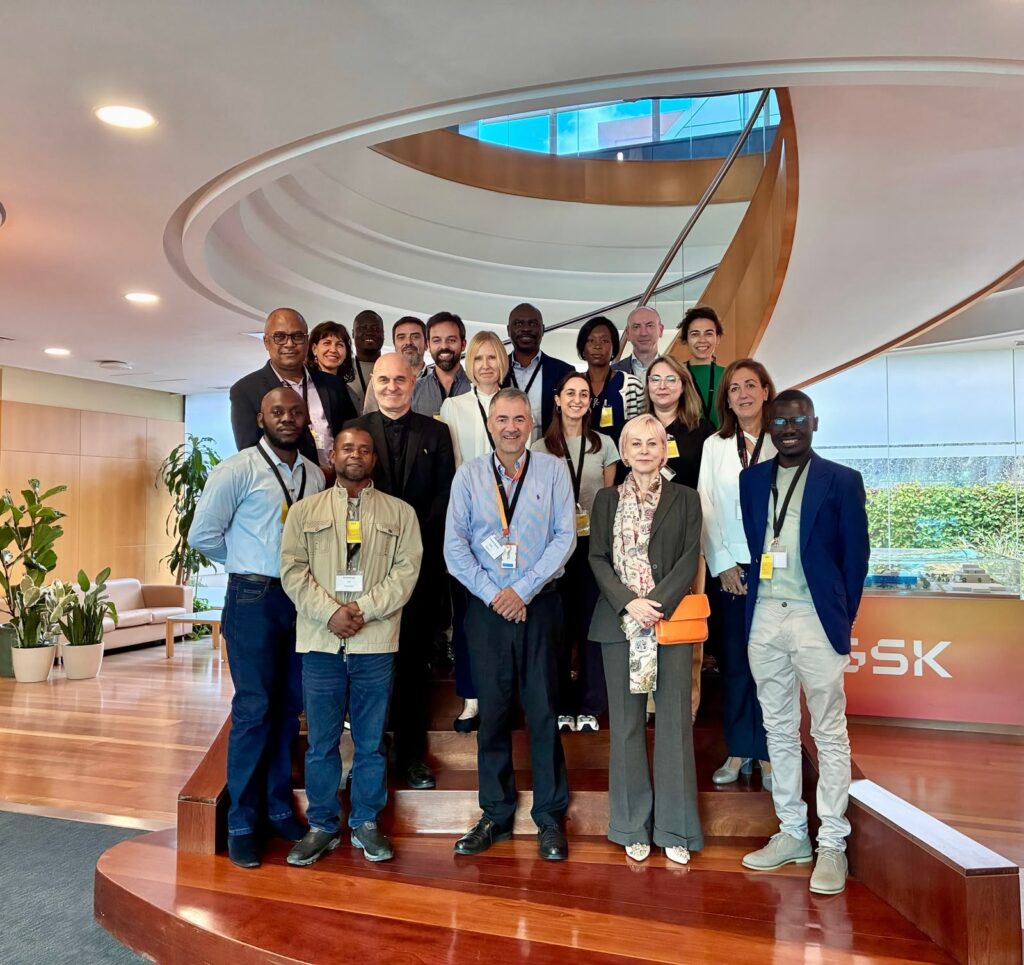
How do we look for resistance to a new malaria treatment when we do not yet know what that resistance will look like? This was one of the questions we discussed during the CUREMAL (Innovative transformative CURE for MALaria: rapid-action combinations to replace artemisinins) General Assembly, held at GSK’s Global Health research centre in Tres Cantos, Madrid, on 7–8 October 2026. Representing the Centre for Epidemic Response and Innovation (CERI) at Stellenbosch University, I joined colleagues working towards a shared goal: advancing a new treatment for malaria while building the expertise needed to monitor its effectiveness.
CUREMAL, a Global Health EDCTP3-funded consortium (European & Developing Countries Clinical Trials Partnership), brings together clinical researchers, laboratory scientists and partners involved in developing the investigational antimalarial GSK3772701. The annual meeting provided an opportunity to review progress, connect the different parts of the project and plan the work ahead. For me, it was also a chance to show how CERI’s experience in genomic surveillance can contribute to this effort, and to strengthen our collaboration with the Centro de Investigação em Saúde de Manhiça (CISM) in Mozambique.
Searching for clues across the parasite’s genome
At CERI, I lead the Antimicrobial Resistance programme, which includes our contribution to CUREMAL. Together with CISM, we co-lead the project’s work package 4 (WP4) on parasite genomic surveillance and antimalarial resistance, as well as capacity development. Our role centres on understanding the genetic makeup of Plasmodium falciparum, the parasite responsible for the deadliest form of malaria, and investigating changes that could influence its response to treatment.
During the meeting, I presented this work alongside CISM’s Simone Boene. Our joint presentation reflected how closely our contributions fit together. CISM will use targeted sequencing to examine selected regions of the parasite’s DNA, while CERI will use whole genome sequencing to explore genetic variation more broadly.
That broader view matters when studying a new drug. Tests designed around known resistance markers are useful for tracking familiar threats, but they may miss changes associated with a treatment that works differently. By examining the parasite’s genome and comparing those findings with clinical outcomes, we aim to identify possible clues to reduced drug susceptibility. These would provide starting points for further investigation, helping the consortium understand how resistance might develop.
Bringing CERI’s experience into malaria research
In a second presentation, “Integrated Genomic Surveillance of Infectious Diseases in Africa and Beyond”, I shared the wider experience behind CERI’s contribution. Our work across influenza, tuberculosis, cholera, arboviruses and other infectious diseases has helped establish the sequencing platforms, analytical expertise and quality systems that we will draw on for CUREMAL.
Although each pathogen presents different challenges, many of the foundations are shared: reliable laboratory methods, careful interpretation of genetic data and close collaboration between the people generating results and those who need to use them. This is an exciting aspect of the project for me. We are applying expertise developed across several areas of infectious disease research to questions about malaria treatment, while learning from partners with extensive experience in malaria research and clinical trials.
Connecting the laboratory with the clinical study
Some of the most useful conversations in Madrid focused on what happens between collecting a sample and understanding its results. With our CISM colleagues and the wider consortium, we discussed how samples will reach the laboratories, how our sequencing approaches will complement each other and how genetic findings will be linked with information about treatment response.
These practical arrangements are essential. A genome can tell us a great deal about a parasite, but its meaning becomes clearer when we understand the clinical context: what treatment a participant received and how the infection responded. The meeting gave us time to work through these connections together and identify the decisions needed before study samples arrive. It also reinforced the value of bringing laboratory, clinical and data teams into the same conversation early.
Building expertise through participation
Alongside the research, CERI and CISM have committed to training eight researchers in whole genome sequencing and targeted sequencing methods, respectively. Our aim is for participants to work with study samples and gain experience across the process, from preparing material in the laboratory to analysing and interpreting the data. Learning through this kind of participation gives researchers opportunities to troubleshoot, ask questions and understand why each step matters.
I left Madrid encouraged by the opportunity to connect drug development, genomic research and training within one collaborative effort, within the consortium and beyond. As CUREMAL moves towards its next phase, our contribution will be to help turn parasite DNA into evidence that supports the evaluation of a new treatment, and to promote capacity development so that more researchers have the skills to carry this work forward.
*The project is supported by Global Health EDCTP3 and its members.
News date: 2026-10-30
Links:
KRISP has been created by the coordinated effort of the University of KwaZulu-Natal (UKZN), the Technology Innovation Agency (TIA) and the South African Medical Research Countil (SAMRC).


Location: K-RITH Tower Building
Nelson R Mandela School of Medicine, UKZN
719 Umbilo Road, Durban, South Africa.
Director: Prof. Tulio de Oliveira