
Beyond Lab Equipment and Consumables Supply
By Naledi Plaatjies | Business Development, Lasec
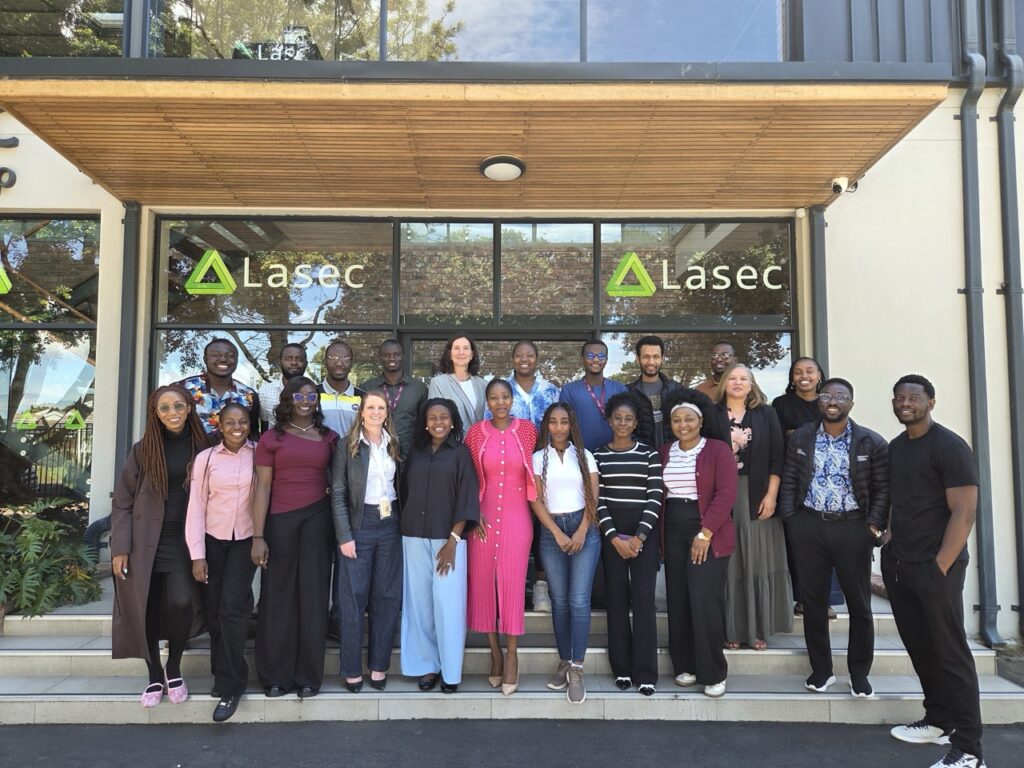
We recently welcomed African STARS Fellows from the Centre for Epidemic Response and Innovation (CERI) to our head office in Cape Town for a visit focused on how industry can support sustainable healthcare programmes across Africa.
The visit included a tour of our warehouse, dedicated service centre and sample collection kit packing facilities. This gave the fellows an opportunity to see the infrastructure, technical capabilities, and processes that underpin our work in delivering laboratory and healthcare solutions across the continent.
The session continued with a presentation on how we support healthcare programmes, covering everything from sales and logistics to regulatory compliance, installation, training, and after-sales technical support.
Our experience across diverse African markets has shown us that supporting healthcare programmes requires far more than delivering equipment. It means understanding local needs, navigating complex regulatory and logistical environments, providing appropriate technical support, and building long-term partnerships that help ensure solutions remain effective and fit for purpose.
A key focus was the sustainability of donor-funded laboratory equipment, particularly the challenges associated with servicing and maintenance after installation. While funding often covers the initial purchase, installation and training, provision for preventative maintenance, spare parts, repairs, and ongoing technical support may be overlooked. Without adequate provision for these needs, equipment can become less reliable over time, potentially compromising the impact of investments in healthcare infrastructure.
We drew on our experience supporting projects across Africa, including the installation of 201 autoclaves in Mozambique and the delivery of 350 vaccine refrigerators and freezers across South Africa. These projects highlighted the importance of proactive planning, local adaptation, and continued technical support in helping healthcare programmes achieve sustainable outcomes.
The engagement reinforced our commitment to going beyond supply by supporting the full equipment lifecycle. It also created an opportunity to discuss how governments, funders, implementing partners, researchers, and industry can work together to incorporate maintenance planning and technical capacity into healthcare programmes from the outset.
As Africa continues to strengthen its research and laboratory capacity, ensuring that investments remain functional and fit for purpose long after project funding ends will be essential to building resilient healthcare systems.
The visit reflected CERI’s commitment to creating opportunities for industry, emerging African public health leaders and scientific innovators to connect, exchange insights, and explore collaborative approaches to strengthening healthcare systems and advancing development across the continent.

"Science that impacts society is what drives me, and that kind of science needs partners who stay. Lasec is one of them. What stood out most for me during the visit was how Lasec puts the customer first, not only before the purchase but after it, through continuous support and servicing. Kylie Davies, Head of Marketing at Lasec, gave advice I will not forget. As early career scientists writing grants, never see equipment acquisition as just the equipment. Plan and factor in maintenance and servicing across the whole life of the project. An instrument that sits idle is a delay in the science."
— Elvis Poku-Adusei, African STARS Fellow
News date: 2026-10-30
Links:
KRISP has been created by the coordinated effort of the University of KwaZulu-Natal (UKZN), the Technology Innovation Agency (TIA) and the South African Medical Research Countil (SAMRC).


Location: K-RITH Tower Building
Nelson R Mandela School of Medicine, UKZN
719 Umbilo Road, Durban, South Africa.
Director: Prof. Tulio de Oliveira