
Chadash Enterprise: Bringing Rooibos Science to Biotech Innovation
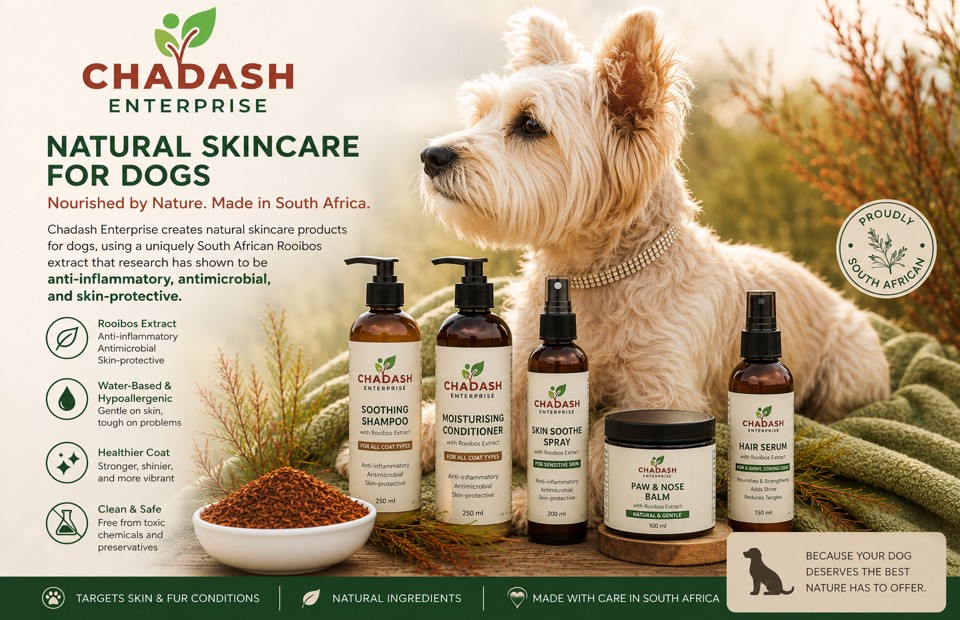

A South African biotechnology startup is harnessing the science of rooibos to develop innovative skincare products for pets, demonstrating how research into indigenous plants can be translated into commercially viable solutions.
Chadash Enterprise, co-founded by Professor Gerald Maarman and his wife, Tamlin, is developing a range of rooibos-based pet skincare products using a novel bioactive delivery technology. The venture brings together years of laboratory research, formulation science, and entrepreneurship to address common skin conditions in dogs.
Chadash was among the participating ventures at Cape HealthTech Connect 2026, held on 17 September at Stellenbosch University's Biomedical Research Institute. The event, linked to SWEAT Africa's focus on research-driven innovation and entrepreneurship, brought together scientists, startups, investors, and industry partners to explore pathways from scientific discovery to market.
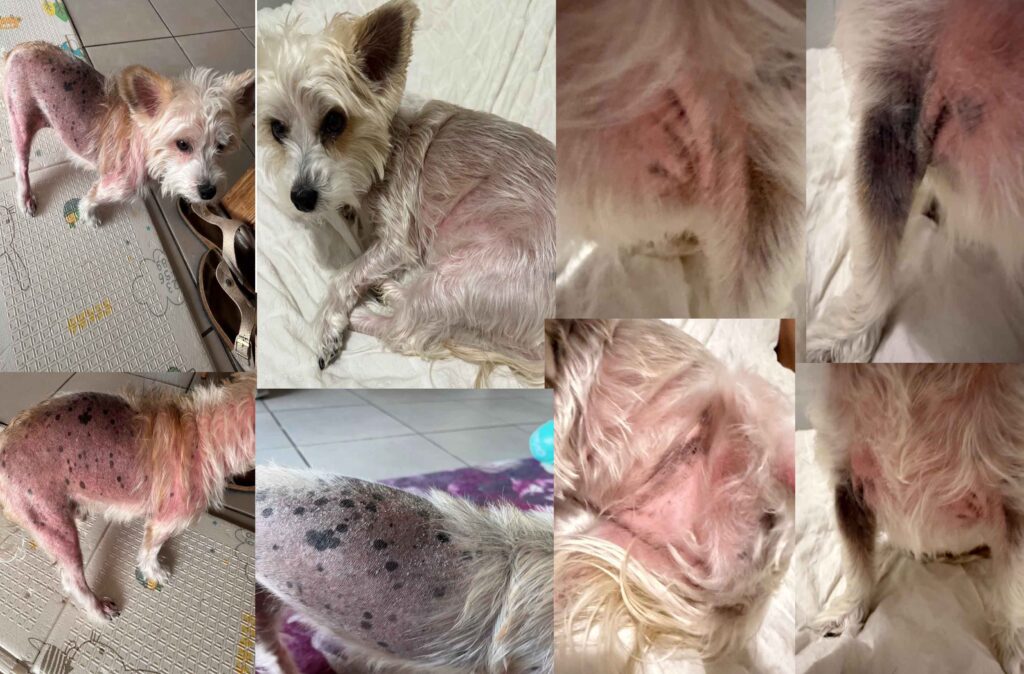
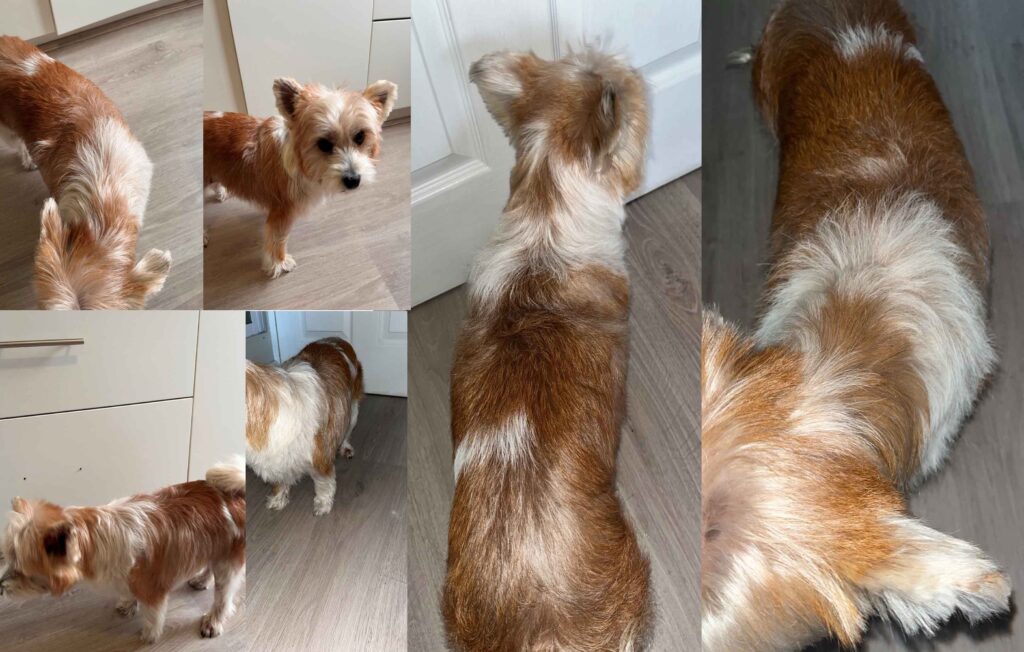
The idea behind Chadash emerged from a personal experience. When the couple's dog, Bella, developed a severe skin condition that resisted conventional treatments, Prof Maarman drew on his research into the health benefits of rooibos. After applying rooibos extract over several weeks, he observed improvements in her skin and hair, prompting the couple to investigate its potential for pet skincare.
But turning this observation into a commercially viable product required overcoming significant scientific and technological challenges.
Rooibos contains polyphenols and other bioactive compounds with antioxidant, anti-inflammatory, and skin-protective properties. Research has demonstrated their ability to influence inflammatory signalling, including the production of pro-inflammatory cytokines, while also showing potential benefits for wound healing and protection against ultraviolet radiation.
"To date, my research group has demonstrated several other molecular and mitochondrial mechanisms that underpin Rooibos's protective and health benefits," Prof Maarman explains.
However, translating these biological properties into effective skincare formulations presents a significant scientific challenge. According to Prof Maarman, one of the main formulation challenges is that rooibos polyphenols are soluble in water and other polar solvents, making it difficult to incorporate sufficient concentrations into oil-based products. "This means that oil-based products (e.g., Rooibos skin oil) or Rooibos shampoos with high oil or fatty acid content contain either zero or negligible concentrations of Rooibos," Prof Maarman explains.
Recognising this limitation, the team set out to develop a new approach. "We realised we needed a new technology, and we conceptualised what we call a Novel Rooibos Bioactive Delivery Technology."
The technology is designed to incorporate high concentrations of rooibos extract into different skincare formulations. According to Prof Maarman, it allows concentrations equivalent to six cups of rooibos tea to be incorporated into a formulation.
The company is now pursuing patent protection for the technology, which could eventually have applications beyond pet skincare.
Developing the formulations has required addressing challenges around ingredient stability, solubility, and the delivery of sufficient concentrations of bioactive compounds. The products are undergoing further analysis and testing, including high-performance liquid chromatography (HPLC), stability assessments, toxicology and safety evaluations, microbiological testing, and skin and eye sensitivity assessments, ahead of regulatory approvals.
"This was a long process, but it was fulfilling to see us move from my laboratory research to better understand Rooibos's underlying mechanisms to developing tangible Rooibos products," Prof Maarman says.
For him, the venture illustrates a much wider opportunity to harness South Africa's indigenous plant resources for locally developed biotechnology products.
"We need better collaboration between researchers from different disciplines, and perhaps even support from industry and private partners, to improve funding for basic science and clinical research."
Chadash Enterprise's journey reflects the central challenge explored at Cape HealthTech Connect: how to bridge the gap between scientific discovery and practical innovation, creating technologies and products that can move beyond the laboratory and into the market.
BELOW: Bella before (left) and after (right).
News date: 2026-10-14
Links:
KRISP has been created by the coordinated effort of the University of KwaZulu-Natal (UKZN), the Technology Innovation Agency (TIA) and the South African Medical Research Countil (SAMRC).


Location: K-RITH Tower Building
Nelson R Mandela School of Medicine, UKZN
719 Umbilo Road, Durban, South Africa.
Director: Prof. Tulio de Oliveira