
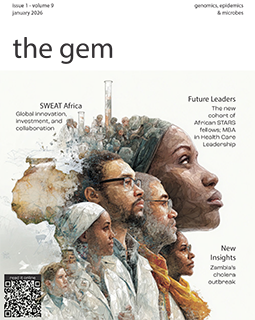
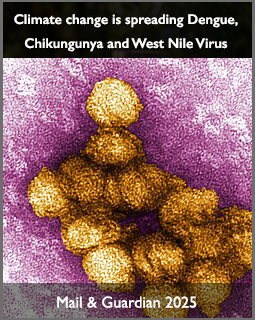
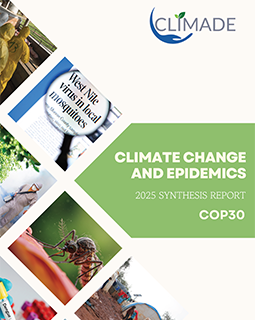
KRISP NEWS
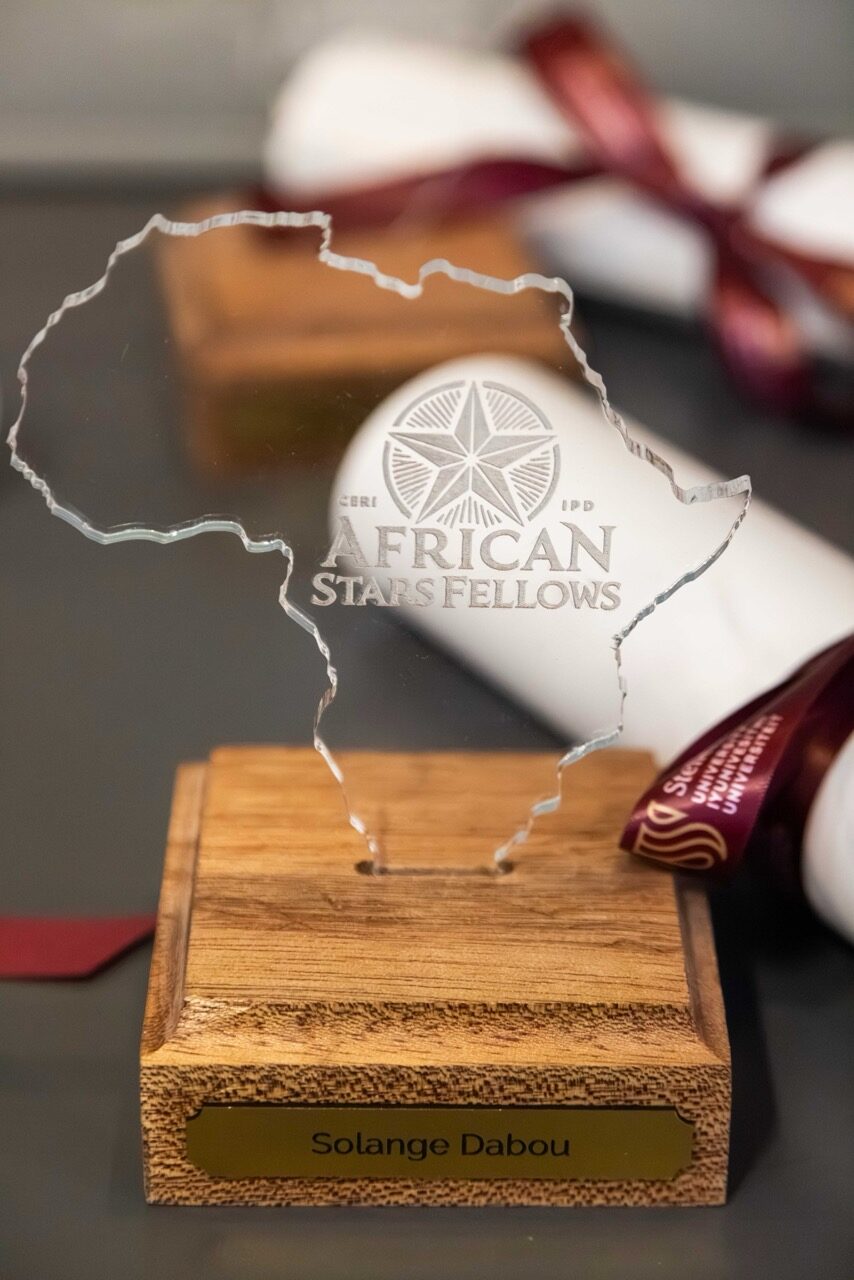
When Scientists Think Like Entrepreneurs
How do you turn a scientific discovery into a business? The African STARS ATT fellows have spent the past nine weeks working through this process, culminating in six business pitches presented at Stellenbosch University (SU) LaunchLab on 24 November 2026.

What Good Is a Breakthrough We Cannot Manufacture?
My reflections on the gap between scientific discovery and manufacturing, and the systems Africa needs to build to bridge it.
Building One Health Research Networks
Through the Plowright One Health Mentoring Scheme (POMS), Dr Carla Mavian has developed international research partnerships, secured funding for collaborative projects, and expanded her work in One Health research. She reflects on how the programme has helped turn professional connections into lasting collaborations.
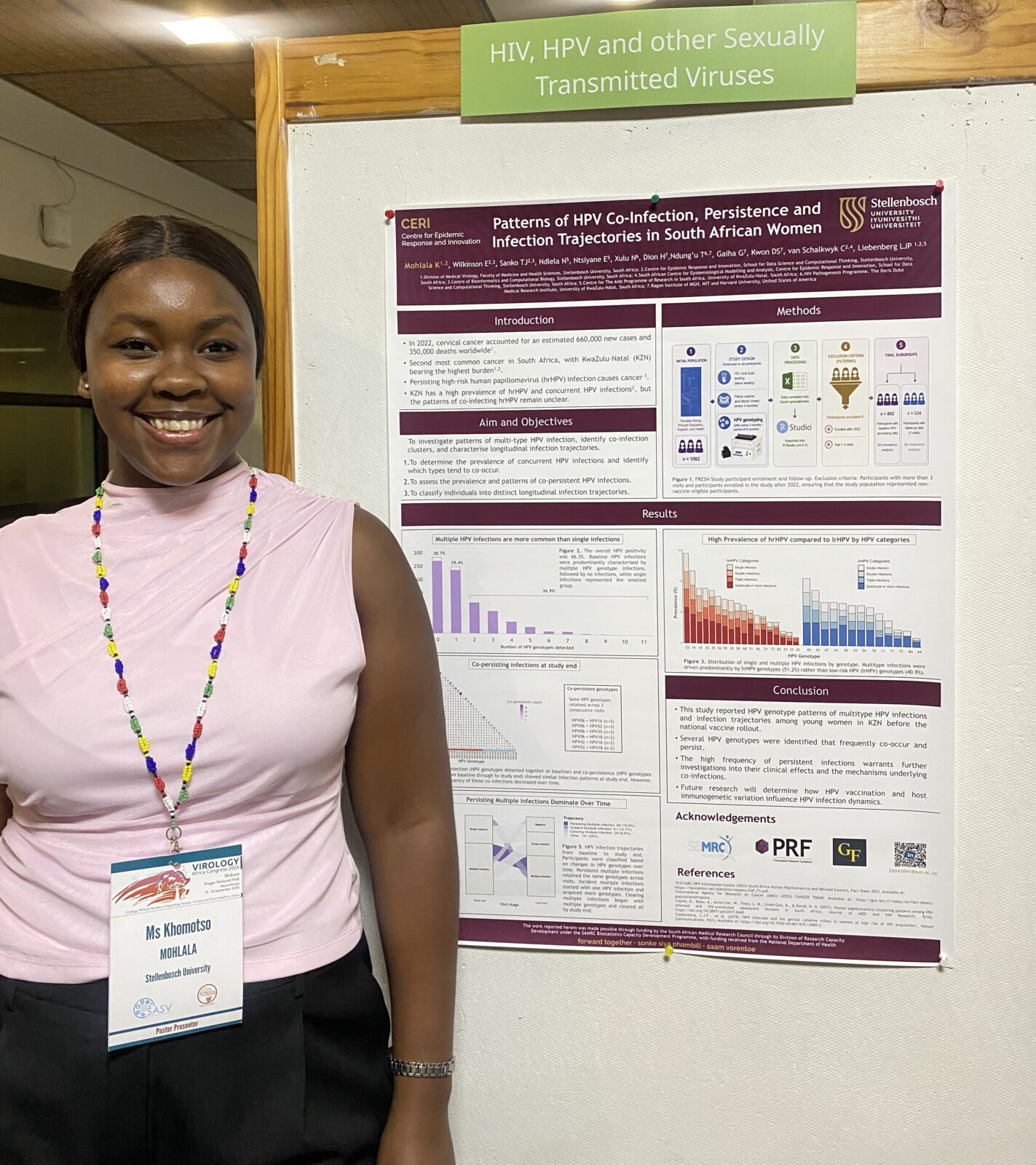
Virology without Borders: Connecting Science across Africa
The Virology Africa 2026 congress, held at Skukuza in Kruger National Park from 15–18 September, brought together researchers from across the continent and beyond under the theme Virology without Borders. With a focus on integrating human, animal, and plant health, the conference provided a platform for virologists, veterinarians, and One Health specialists to share research and explore approaches to understanding and controlling infectious diseases in Africa.
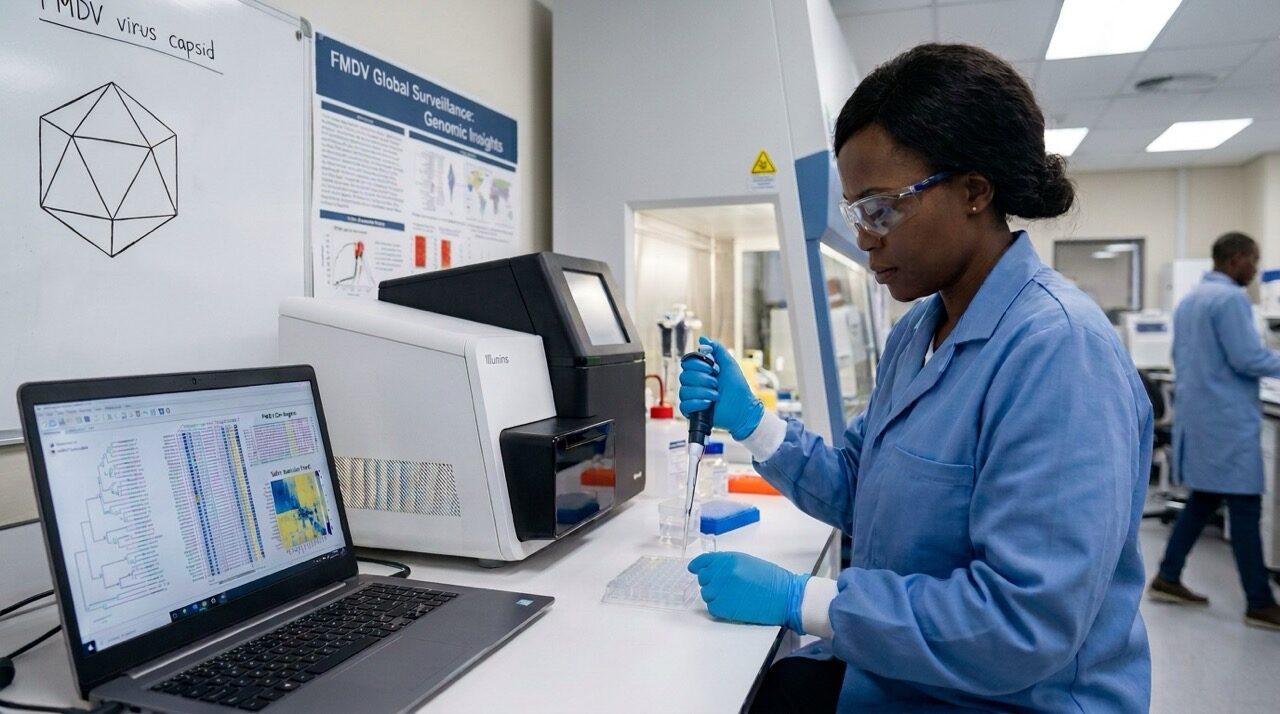
Rethinking Foot-and-Mouth Vaccines
As foot-and-mouth disease threatens livestock and livelihoods across Africa, African STARS fellow Iris Kabelo explores how genomic surveillance and new vaccine approaches could strengthen disease control.
Prof Lenine Liebenberg Advances Research into Women's Health
CERI's Prof Lenine Liebenberg is advancing research into women's health by exploring how the immune system and vaginal microbiome influence susceptibility to HIV, HPV, and other infections.
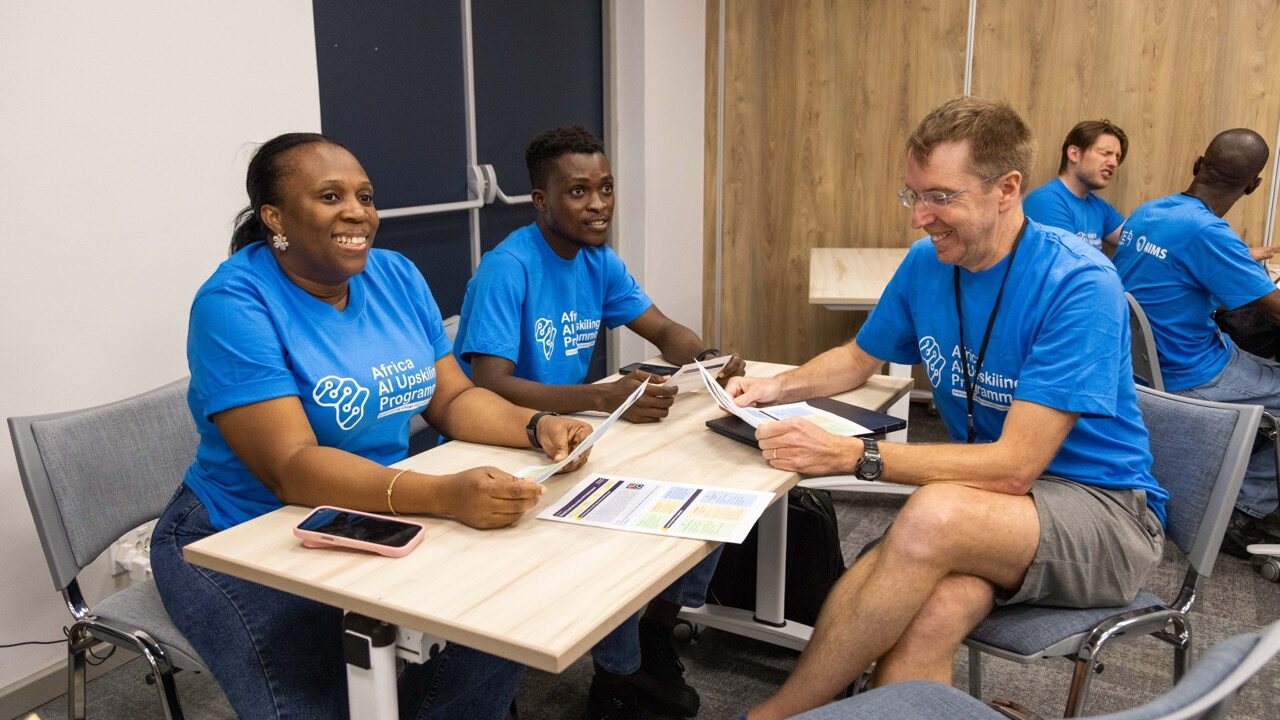
Building AI Teaching Capacity Across African Universities
From building language models to developing new teaching approaches, the AI Research Foundations Train the Trainer programme is equipping university lecturers with the knowledge, resources, and practical experience to bring advanced AI education to more students across Africa.


KRISP SCIENTIFIC PUBLICATIONS

Addressing pandemic-wide systematic errors in the SARS-CoV-2 phylogeny.
Hunt M, Hinrichs A, Anderson D, Karim L, Dearlove B, Knaggs J, Constantinides B, Fowler P, Rodger G, Street T, Lumley S, Webster H, Sanderson T, Ruis C, Kotzen B, de Maio N, Amenga-Etego L, Amuzu D, Avaro M, Awandare G, Ayivor-Djanie R, Barkham T, Bashton M, Batty E, Bediako Y, De Belder D, Benedetti E, Bergthaler A, Boers S, Campos J, Carr R, Chen Y, Cuba F, Dattero M, Dejnirattisai W, Dilthey A, Duedu K, Endler L, Engelmann I, Francisco N, Fuchs J, Gnimpieba E, Groc S, Gyamfi J, Heemskerk D, Houwaart T, Hsiao N, Huska M, Hölzer M, Iranzadeh A, Jarva H, Jeewandara C, Jolly B, Joseph R, Kant R, Ki K, Kurkela S, Lappalainen M, Lataretu M, Lemieux J, Liu C, Malavige G, Mashe T, Mongkolsapaya J, Montes B, Mora J, Morang’a C, Mvula B, Nagarajan N, Nelson A, Ngoi J, da Paixão J, Panning M, Poklepovich T, Quashie P, Ranasinghe D, Russo M, San J, Sanderson N, Scaria V, Screaton G, Sessions O, Sironen T, Sisay A, Smith D, Smura T, Supasa P, Suphavilai C, Swann J, Tegally H, Tegomoh B, Vapalahti O, Walker A, Wilkinson R, Williamson C, Zair X, Biere B, Dürrwald R, Mache C, Oh D, Schulze J, Wedde M, Wolff T, Fuchs S, Semmler T, Paraskevopoulou S, Kerber R, Kröger S, Haas W, Bode K, Corman V, Erren M, Finzer P, Grosser R, Haffner M, Hermann B, Kiel C, Krumbholz A, Lorentz T, Meinck K, Nitsche A, Petzold M, Schwanz T, Szabados F, Tewald F, Tiemann C, de Oliveira T, Peto T, Crook D, Corbett-Detig R, Iqbal Z, Nature Methods (2026), 23:653-662.
Tracing the spatial origins and spread of SARS-CoV-2 Omicron lineages in South Africa.
Dor G, Wilkinson E, Martin DP, Moir M, Tshiabuila D, Kekana D, Ntozini B, Joseph R, Iranzadeh A, Nyaga MM, Goedhals D, Maponga T, Maritz J, Laguda-Akingba O, Ramphal Y, MacIntyre C, Chabuka L, Pillay S, Giandhari J, Baxter C, Hsiao NY, Preiser W, Bhiman JN, Davies MA, Venter M, Treurnicht FK, Wolter N, Williamson C, von Gottberg A, Lessells R, Tegally H, de Oliveira T, Nature Communications (2025), 28;16(1):4937. doi: 10.1038/s41467-025-60081-0:.
Genomic Surveillance of Climate-Amplified Cholera Outbreak, Malawi, 2022–2023.
Chabuka L, Choga W, Mavian C, Moir M, Morgenstern C, Tegaly H, Sharma A, Wilkinson E, Naidoo Y, Inward R, Bhatt S, WilliamWint G, Khan K, Bogoch I, Kraemer M, Lourenço J, Baxter C, Tagliamonte M, Salemi M, Lessells R, Mitambo C, Chitatanga R, Bitilinyu-Bango J, Chiwaula M, Chavula Y, Bukhu M, Manda H, Chitenje M, Malolo I, Mwanyongo A, Mvula B, Nyenje M, de Oliveira T, Kagoli M, Emerging Infectious Diseases (2025), 31(6):. doi: 10.3201/eid3106.240930.:.
Importance of outbreak response research in bridging knowledge gaps on emerging infectious diseases.
Breiman R, Osoro E, Reithinger R, Wang D, Diamond M, Van Voorhis W, Wasserheit J, Rabinowitz P, Mboup S, Hemingway-Foday J, de Oliveira T, Boon A, Schieffelin J, Sempowski G, Moody M, Vasilakis N, Hanley K, Nasimiyu C, Situma S, Ngere I, Kyobe Bosa H, Nyakarahuka L, Bakamutumaho B, Woodson S, Njenga M, BMJ Global Health (2025), 10(6):e018297. doi: 10.1136/bmjgh-2024-018297.:.
Artificial intelligence for modelling infectious disease epidemics.
Kraemer M, Tsui J, Chang S, Lytras S, Khurana M, Vanderslott S, Bajaj S, Scheidwasser N, Curran-Sebastian J, Semenova E, Zhang M, Unwin H, Watson O, Mills C, Dasgupta A, Ferretti L, Scarpino S, Koua E, Morgan O, Tegally H, Paquet U, Moutsianas L, Fraser C, Ferguson N, Topol E, Duchêne D, Stadler T, Kingori P, Parker M, Dominici F, Shadbolt N, Suchard M, Ratmann O, Flaxman S, Holmes E, Gomez-Rodriguez M, Schölkopf B, Donnelly C, Pybus O, Cauchemez S, Bhatt S, Nature (2025), :.
Spatiotemporal disease suitability prediction for Oropouche virus and the role of vectors across the Americas.
Poongavanan J, Dunaiski M, D’or G, Kraemer M, Giovanetti M, Lim A, Brady O, Baxter C, Fonseca V, Alcantara L, de Oliveira T, Tegally H, medRxiv (2025), doi: 10.1101/2025.02.28.25323068.:.
Characterization of SARS-CoV-2 intrahost genetic evolution in vaccinated and non-vaccinated patients from the Kenyan population.
Lugano D, Mwangi K, Mware B, Kibet G, Osiany S, Kiritu E, Dobi P, Muli C, Njeru R, de Oliveira T, Njenga M, Routh A, Oyola S, medRxiv (2025), doi: 10.1101/2025.03.03.25323296.:.
KRISP VIDEOS
COVID-19 | News sub-variant being monitored closely
By: Tulio De Oliveira and CERI and KRISP teams


KRISP BIOINFORMATICS TOOLS

Genome Detective Coronavirus Typing Tool
Genome Detective Coronavirus Typing Tool for rapid identification and characterization of novel coronavirus genomes

Genome Detective Chikungunya Typing Tool
This is the first version of the Chikungunya typing tool, which uses phylogenetic analysis to identify the species and genotype of the virus.

Genome Detective Zika Typing Tool
This is the first version of the Zika typing tool, which uses phylogenetic analysis to identify the species and genotype of the virus.

Genome Detective Yellow Fever Virus Typing Tool
This is the first version of the Yellow Fever typing tool, which uses phylogenetic analysis to identify the species and genotype of the virus.

Genome Detective Dengue Virus Typing Tool
This is a beta version of our Dengue Virus Typing tool. For the mean time, this tool should be used for evaluation only. Please send feedback to Tulio de Oliveira.

This is the first version of our Arbovirus typing tool for Chikungunya, Dengue, Yellow Fever and Zika

REGA HIV Subtyping Tool V3 - Belgium Mirror
Phylogenetic tool to identify the HIV-1 subtypes and recombinants. Query sequences are analysed for recombination using bootscanning methods. The version 3 contains new CRFs (CRF01_AE to CRF47_BF).
MORE TOOLS
KRISP has been created by the coordinated effort of the University of KwaZulu-Natal (UKZN), the Technology Innovation Agency (TIA) and the South African Medical Research Countil (SAMRC).


Location: K-RITH Tower Building
Nelson R Mandela School of Medicine, UKZN
719 Umbilo Road, Durban, South Africa.
Director: Prof. Tulio de Oliveira