
Seeing What Surveillance Cannot Yet See

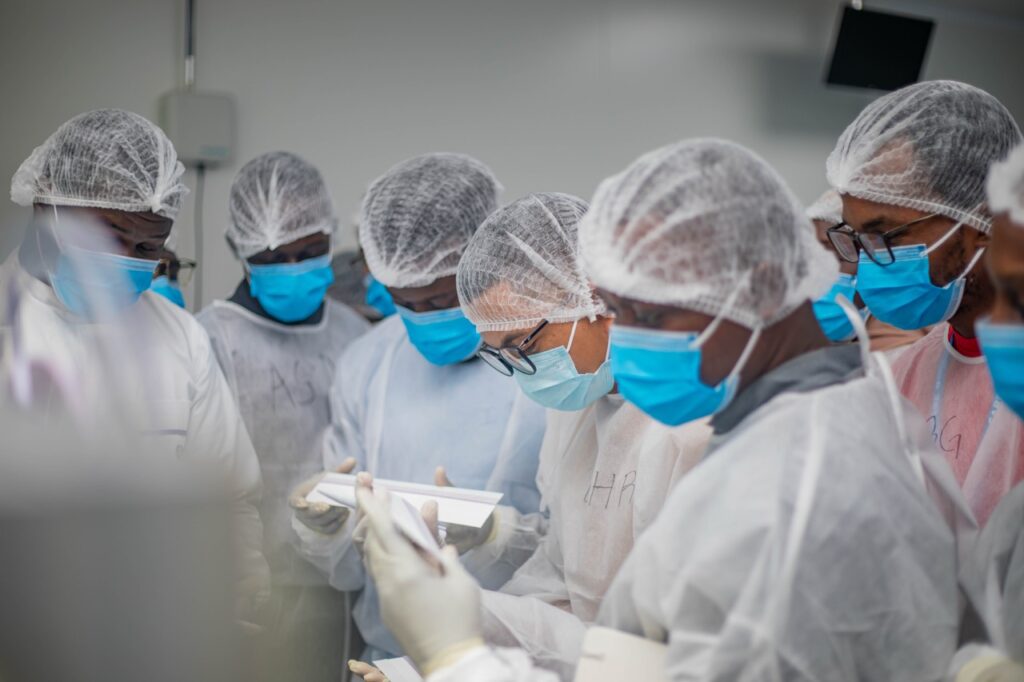
For Levi, a handful of polio sequences could be the beginning of something much bigger. Working in infectious disease surveillance and outbreak response, he is exploring how genomic information can be combined with the epidemiological data already used to track vaccine-preventable diseases in Madagascar. His immediate interests include polio, measles, and rotavirus – and the possibility of using their genetic sequences to reveal patterns of viral evolution and transmission that conventional surveillance alone cannot show.
His year as an African STARS YPP fellow at CARE, Institut Pasteur de Dakar (IPD), introduced him to new scientific approaches and, ultimately, to the next stage of his training. Levi’s earlier disease-modelling work drew primarily on epidemiological and population data, but collaboration with IPD’s virology department exposed him to analyses combining epidemiological, climatic, geographical, population, and molecular data.
When a call for the Workshop on Virus Evolution and Molecular Epidemiology (VEME) was shared internally, he saw an opportunity to develop this further. At VEME 2026 in Stellenbosch, South Africa, Levi learnt more about the structure and analysis of genomic data, including the mathematical foundations of different analytical tools. He is now looking at how to incorporate genomic data into modelling approaches already grounded in epidemiological and clinical information.
One exercise using yellow fever virus data was particularly significant. By adding geographical information to investigate viral evolution over time, Levi explored how genomic results could be interpreted alongside other data, and the importance of collecting complete metadata for future studies. The training also strengthened his confidence in interpreting phylogenetic trees and understanding the possibilities and limitations of using them to infer how viruses evolve and spread.
“VEME complemented my fellowship by giving me highly specialised knowledge and skills that fit my ongoing scientific work and future research on virus evolution.”
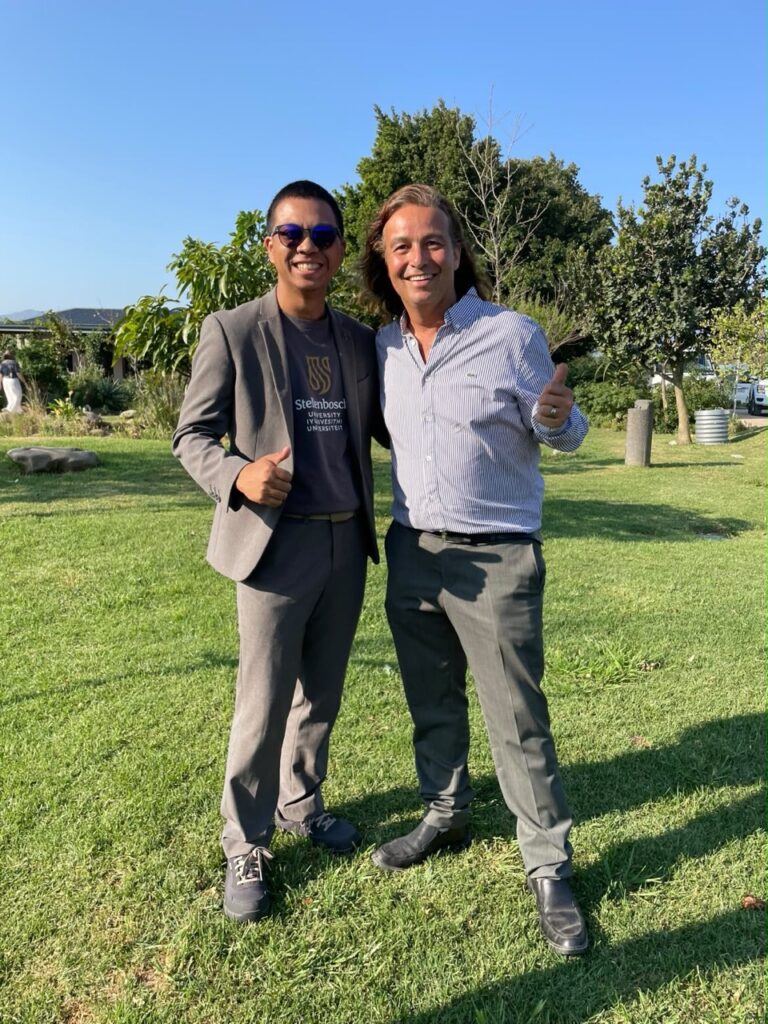
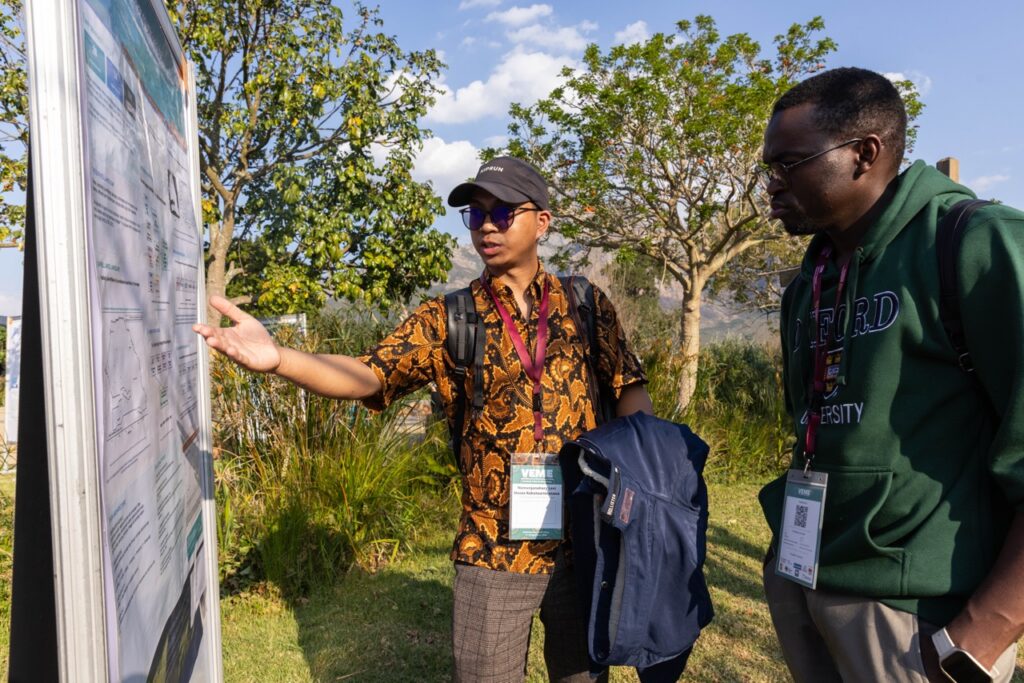
Levi is now working to access genomic data for polio, measles, and rotavirus in Madagascar, with the aim of analysing sequence data alongside population and epidemiological information. While the country has established surveillance systems for vaccine-preventable diseases, Levi says genomic surveillance is not yet incorporated into the surveillance performance indicators he works with, and that infrastructure and technology remain barriers to its wider implementation.
A small number of polio sequences are already available for Levi to begin exploring the approach. He hopes to use them for a proof of concept examining transmission mechanisms by combining genomic information with epidemiological models already in use. If the approach demonstrates value, he hopes it could help build the case for greater integration of genomics into disease surveillance in Madagascar.
“For my country, where many viral diseases are still shaking the health system, I am deeply convinced that the use of genomic surveillance can reduce the disease burden significantly.”
The knowledge is also beginning to reach others. Levi has planned a two-hour session with The Expanded Programme on Immunization (EPI) – a global initiative launched by the World Health Organization in 1974 to ensure universal access to life-saving vaccines for children – to introduce virus evolution hypothesis testing using the available polio sequences, with further sessions possible if there is interest.
Alongside this scientific work, Levi is pursuing another idea that emerged during his African STARS fellowship. RRegalis began as his capstone project, introducing him to the possibilities of building a business around public health and health technology. He is now working towards establishing it as a start-up.
“Before African STARS, I thought public health was only about waiting for grants and charity.”
His scientific and entrepreneurial ambitions are increasingly connected. Levi is exploring the feasibility of a healthtech business serving Madagascar, Comoros, and Seychelles, while his growing expertise in genomics has opened up possibilities for developing products and services that draw on molecular information as well as more conventional disease surveillance.
For Levi, this also raises a wider question about how Africa can make better use of its growing scientific capacity. He sees increasing demand for health services alongside a growing pool of trained African scientists for whom employment opportunities have not expanded at the same pace.
“African scientists and professionals wait for jobs and opportunities while the population is expecting more and better services and care.”
Levi believes African-led scientific enterprises could help bring those needs together – developing locally relevant services while creating opportunities for scientists and other skilled professionals. His own plans are still at an early stage, but they point towards an ambition in which scientific capacity creates value beyond an individual career.
That ambition can already be seen on a smaller scale: in polio sequences being explored in new ways, genomic knowledge being introduced to other public health professionals, and a start-up idea that has continued beyond the fellowship in which it began.
From a handful of sequences to a bigger ambition for genomic surveillance, Levi is exploring how deeper scientific understanding can translate into stronger public health – and, ultimately, more opportunities for African scientists to put their expertise to work.
Text: Katrine Anker-Nilssen
Photos: CARE-IPD (top), CERI Media, Charlie Sperring, & Supplied
News date: 2026-09-22
Links:
KRISP has been created by the coordinated effort of the University of KwaZulu-Natal (UKZN), the Technology Innovation Agency (TIA) and the South African Medical Research Countil (SAMRC).


Location: K-RITH Tower Building
Nelson R Mandela School of Medicine, UKZN
719 Umbilo Road, Durban, South Africa.
Director: Prof. Tulio de Oliveira