
Bringing Multi-omics into the Research Picture
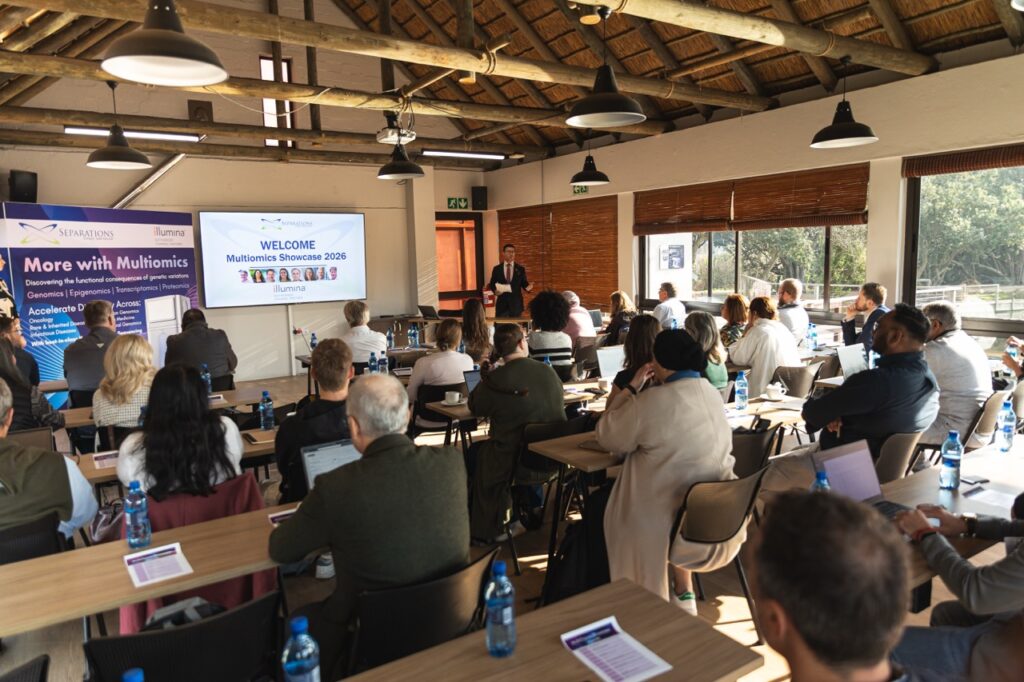
Multi-omics combines information from different layers of biology – such as genomics (DNA), transcriptomics (RNA), proteomics (proteins), and epigenomics (changes that influence how genes function) – to provide a more complete picture of biological systems than any one approach can offer alone.
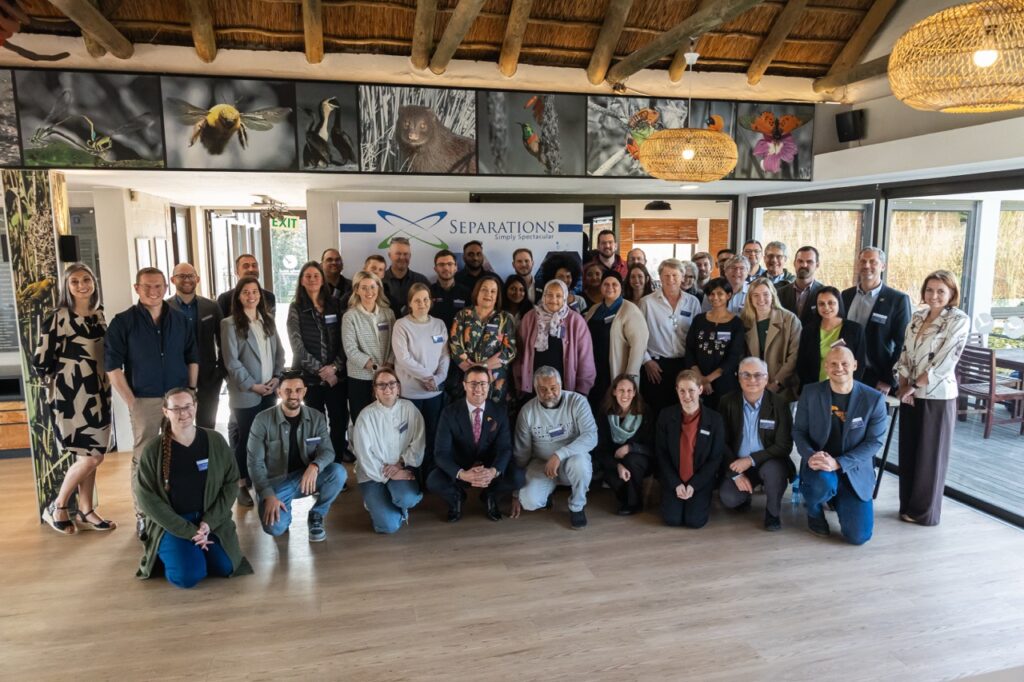
The Multi-Omics Roadshow brought together researchers, genomics facilities, sequencing service providers, and technology specialists to explore the next generation of biological research.
“The idea behind the Multi-Omics Roadshow was to introduce South Africa to the exciting new opportunities that multi-omics is creating,” said organiser Maritza Hanekom, Product Manager: Sequencing & Microarray at Separations.
“Our goal was not simply to showcase new technology, but to bring together researchers, genomic facilities and sequencing service providers to have meaningful conversations about how genomics, transcriptomics, proteomics and other multi-omics approaches can work together to answer more complex biological questions.”
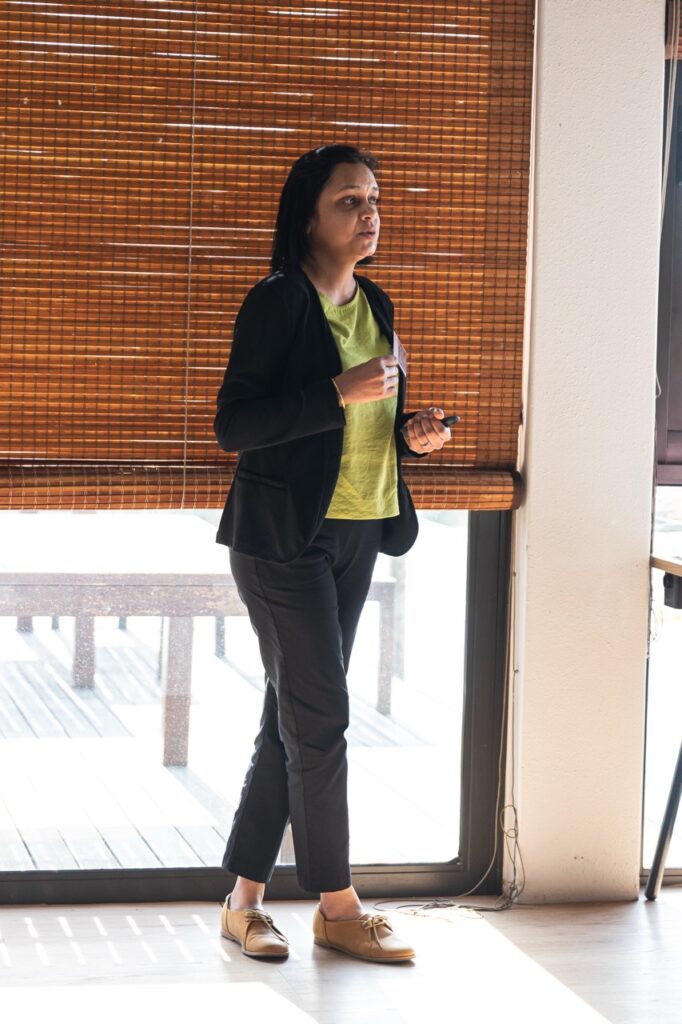
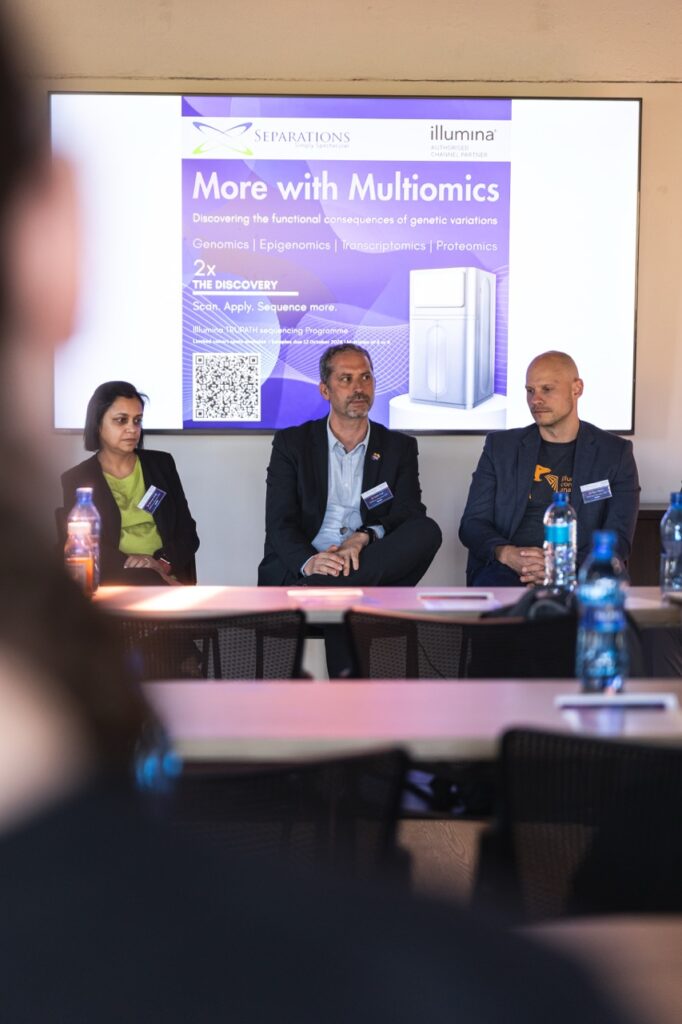
At the Cape Town event on 27 August, Dr Lavanya Singh, Head of Laboratory and Quality Management at the Centre for Epidemic Response and Innovation (CERI), represented Vergent Biotech, powered by CERI, presenting a host-site case study based on CERI’s experience in high-throughput genomics.
Dr Singh highlighted the scientific and technical capacity underpinning Vergent, including CERI’s accredited laboratory, bioinformatics expertise, automation, and sequencing infrastructure.
“For a multi-omics audience evaluating service providers, accreditation and platform breadth are the two things that signal real capacity rather than aspiration,” Dr Singh said. “It shows we can match the assay to the question, at scale, with a quality system behind every result.”
Hanekom said Vergent was invited to share its Cape Town experience because of its work applying next-generation sequencing (NGS) across fields ranging from infectious disease and epidemiological research to human whole-genome sequencing, methylation, and transcriptomics.
“We wanted them to share their Cape Town story because it demonstrated how multi-omics and NGS can move from technology into real-world research and service delivery in Africa,” she said.
For Dr Singh, the response from participants showed particular interest in flexible access to advanced sequencing capacity. “One thing that came through clearly was how well the flexibility of our genomics service model landed,” she said.
Researchers can engage at different points in the sequencing pipeline depending on the capacity they already have – an approach that Dr Singh said resonated with attendees who may have some infrastructure or expertise, but not the complete pipeline.
“It meant they didn’t have to choose between doing everything themselves or handing it all over,” she said.
Participants also showed interest in the rigour behind CERI’s validated methodologies, including its human whole-genome sequencing assay benchmarked against Genome in a Bottle reference samples.
But the discussions went beyond sequencing alone. Hanekom said some researchers are already combining different omics approaches, while the roadshow encouraged others to consider how integrating multiple types of biological data could change the questions they are able to ask.
“What stood out to me was how eager and ready South Africa is to expand into multi-omics,” she said.
That shift is also reflected in the areas CERI and Vergent are exploring, with Dr Singh pointing to proteomics, transcriptomics, and DNA methylation studies alongside genomics.
“We’re extending beyond traditional genomics scope to expand into proteomics, transcriptomics, and DNA methylation studies, alongside rare disease diagnostics and precision medicine – integrated multi-omics rather than single-layer sequencing,” she said.
For Hanekom, the next opportunity lies in turning the conversations sparked by the roadshow into collaboration.
“The Roadshow opened the door to conversations around what researchers want to achieve, and our role is to connect them with the right technology, expertise and service partners to make those research goals possible,” she said.
“South Africa has the scientific expertise and the appetite. We now have an opportunity to bring the technology, skills and service capability together to take multi-omics to the next level.”
Text: Katrine Anker-Nilssen
Photos: Jahk van Heerden, TheFullFrameFox
News date: 2026-09-21
Links:
KRISP has been created by the coordinated effort of the University of KwaZulu-Natal (UKZN), the Technology Innovation Agency (TIA) and the South African Medical Research Countil (SAMRC).


Location: K-RITH Tower Building
Nelson R Mandela School of Medicine, UKZN
719 Umbilo Road, Durban, South Africa.
Director: Prof. Tulio de Oliveira