
Reading What Viruses Leave Behind
A viral genome carries traces of its history. As viruses replicate and spread, genetic changes accumulate. Comparing those changes across samples can help researchers investigate how viruses are related, how quickly they are evolving, and how viral populations have changed over time.
But turning sequences into scientific evidence is not as simple as building a phylogenetic tree.
That distinction emerged repeatedly at the 29th International Bioinformatics Workshop on Virus Evolution and Molecular Epidemiology (VEME), hosted by Stellenbosch University’s Centre for Epidemic Response and Innovation (CERI) at Bertha Retreat in Stellenbosch from 6 to 11 September.
Across two training modules – Phylogenetic Inference and Evolutionary Hypothesis Testing – participants worked through methods for moving from genomic sequences to evolutionary and epidemiological questions, applying them to real datasets and their own research.
For Lovisa Lindquist, a first-year PhD student at the Lund University Virus Centre in Sweden, the focus is on viral evolution within the host.
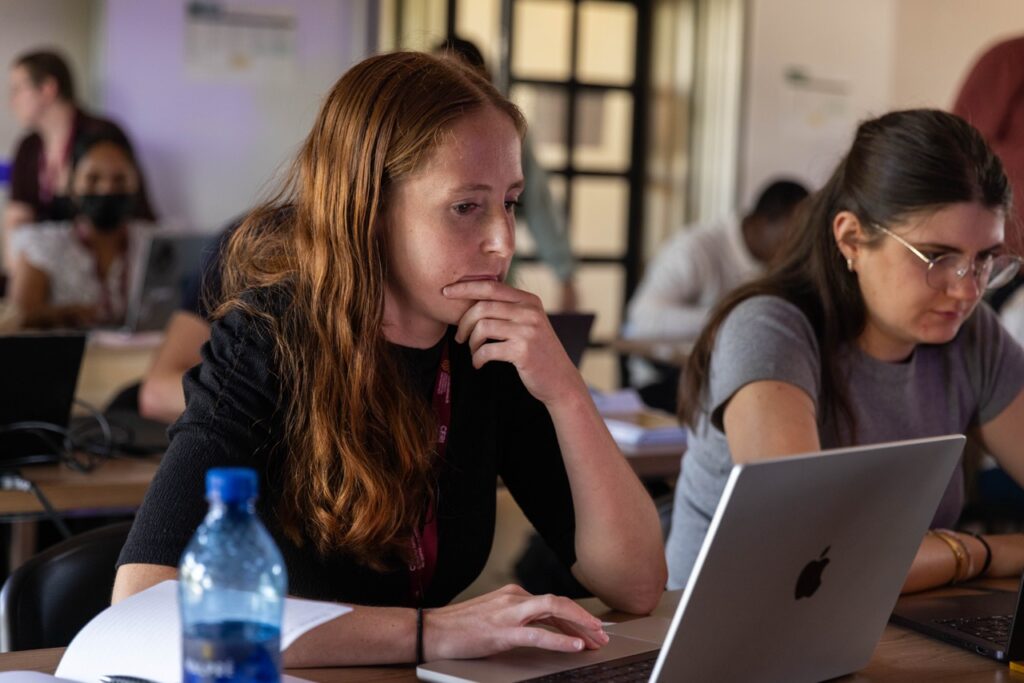
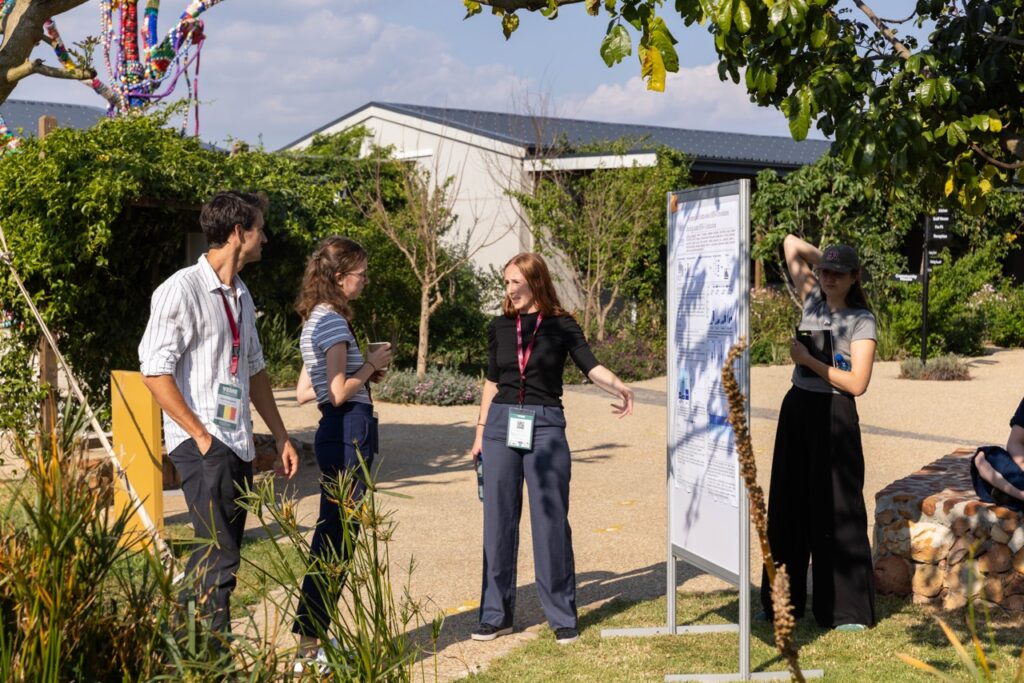
Lindquist (pictured above) studies what happens during the first weeks and months after HIV-1 infection, examining how the virus population and host immune system change. Studying this acute stage is difficult: people are not always identified this early, while the longitudinal samples needed to follow changes over time can be difficult to obtain.
Phylogenetic analysis allows her to move beyond simply identifying differences between individual viral sequences.
“Looking at sequences can give you an idea of whether the virus seems to change much or not, and which parts of the genome are more or less variable,” she explains.
By incorporating information such as time through phylodynamic analysis, researchers can investigate which viruses are more closely related, how quickly they evolved, and approximately when ancestral viruses existed – providing clues to how currently circulating viruses acquired particular characteristics.
From relationships to transmission
The same evolutionary relationships can be examined at a very different scale.
In Botswana, PhD researcher Patrick Mokgethi (pictured below) uses genomic and phylogenetic approaches to study HIV-1 evolution, drug resistance, and transmission dynamics, with a particular focus on migrant populations and people living with HIV.

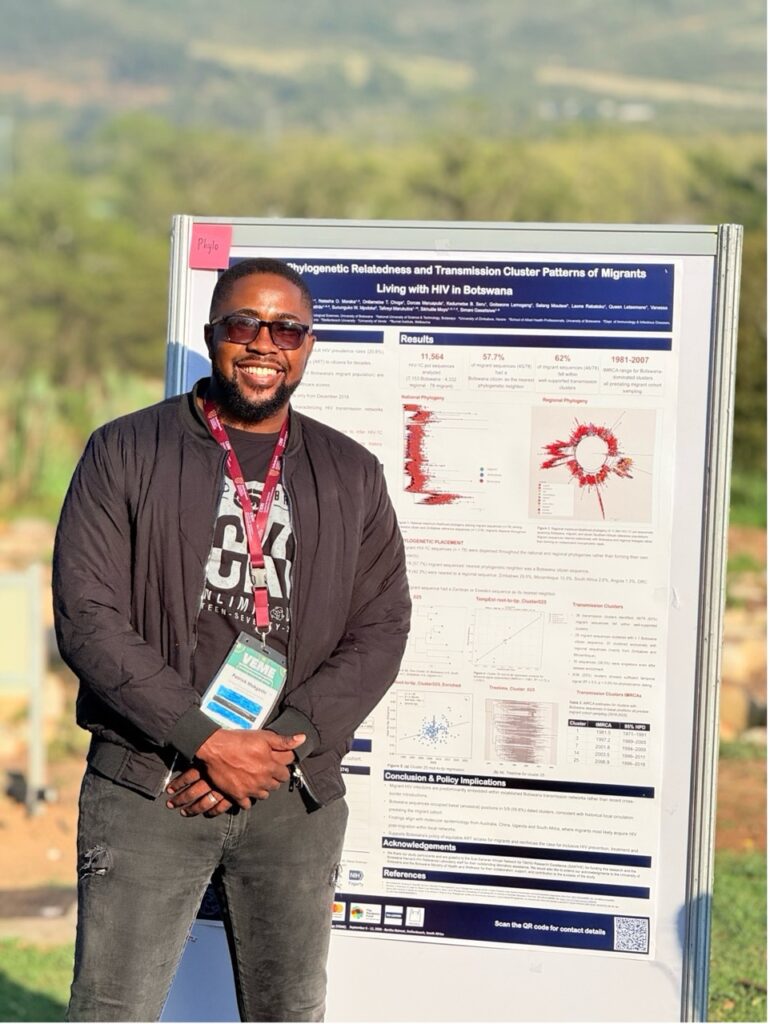
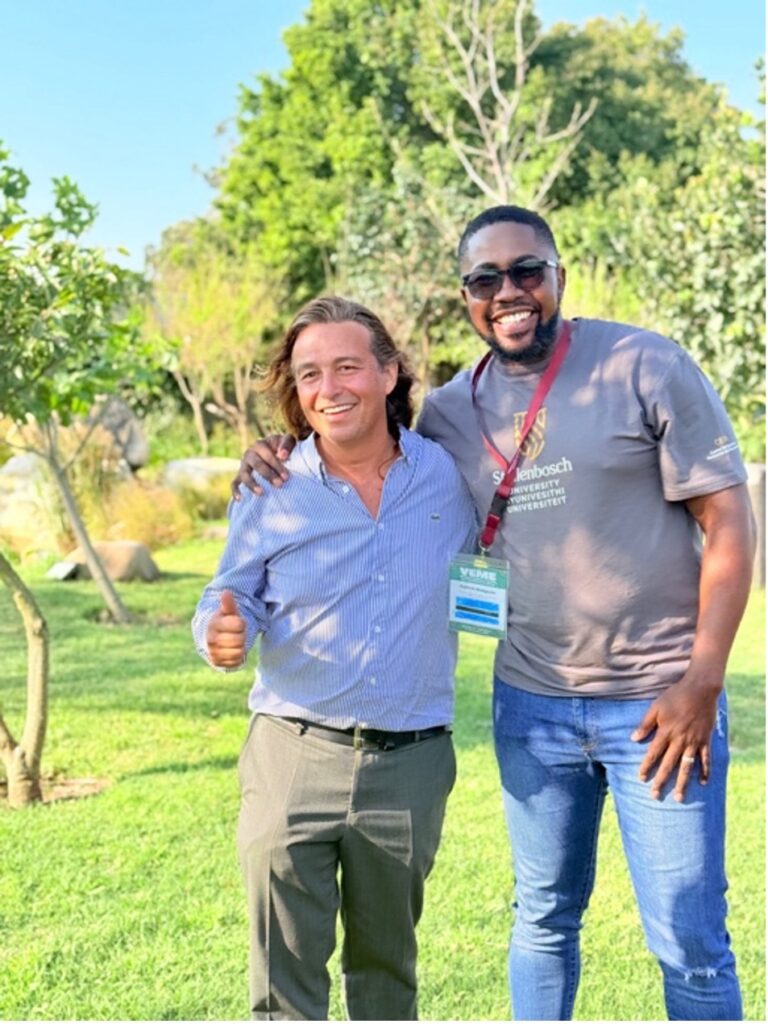
Comparing viral sequences can reveal groups of genetically related infections and help researchers investigate how viral lineages have emerged and spread. Add information about when and where samples were collected, and genomic data can provide evidence about aspects of an epidemic’s history.
But the genome is only one part of that picture.
“Genomic data are most informative when combined with epidemiological, clinical, and demographic information,” says Mokgethi.
Sampling dates, geographical and clinical information, exposure and surveillance data, and the representativeness of sampling can all affect what researchers are able to conclude.
That is particularly relevant to Mokgethi’s research among migrant populations in Botswana, where phylogenetic analysis can help investigate broader patterns of connectivity between sequences and geographical regions.
“HIV transmission does not occur within isolated geographical boundaries,” he says. “Viral lineages can circulate across countries and populations.”
A genetic relationship between two viruses, however, does not by itself provide a complete reconstruction of who transmitted a virus to whom.
When a convincing tree is not enough
For Vjekoslava Kostani?, a veterinarian at the Croatian Veterinary Institute and first-year PhD student at the University of Zagreb, this need for caution was an important lesson from VEME.


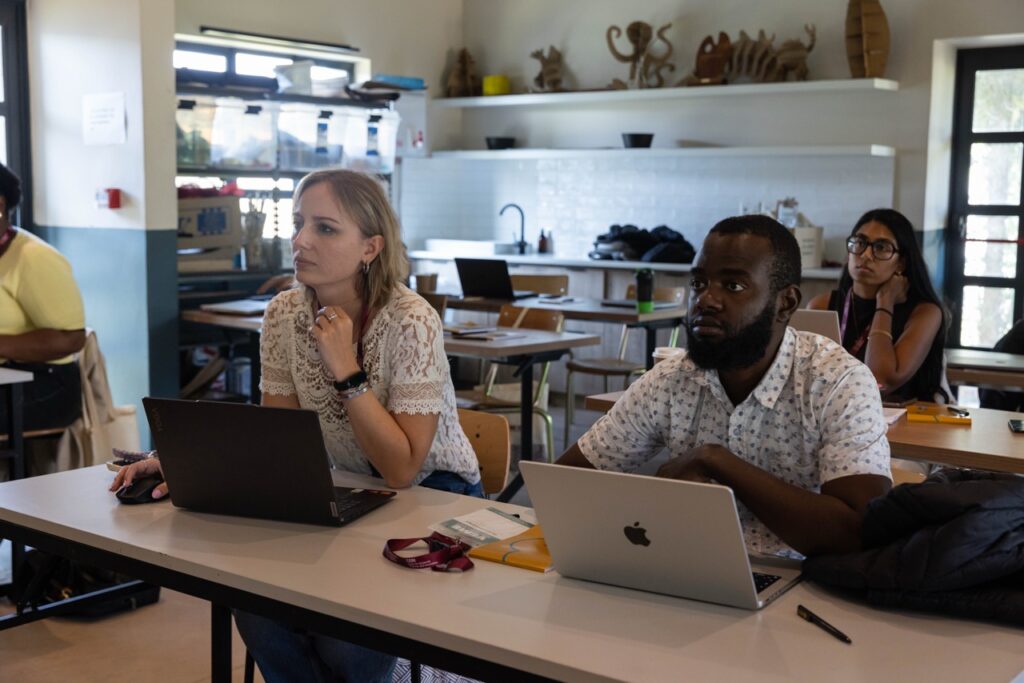
Kostani? (pictured above) studies rotaviruses, including their genomic diversity, molecular epidemiology, and potential transmission between animal populations and across species. Rotaviruses have segmented genomes, meaning different genome segments can have different evolutionary histories through reassortment.
“One thing I learned at VEME is not to trust a pattern simply because it looks convincing on a tree,” says Kostani?.
A seemingly clear cluster associated with a particular host or geographical area could reflect something biologically meaningful – or partly result from that population having been sampled much more extensively than others.
Kostani? therefore looks at the statistical support for a grouping and whether the pattern remains plausible when other genome segments, metadata, and epidemiological information are considered.
“Especially when looking for possible transmission or host-switching events, I realised that a phylogenetic pattern can be very suggestive, but it is rarely enough on its own to prove what actually happened.”
Mokgethi makes a similar point from his work with HIV.
“Phylogenetic analysis provides evidence and estimates, rather than absolute certainty about transmission events,” he says.
Incomplete sampling, sequencing quality, missing data, and analytical methods can all introduce uncertainty. Researchers therefore need to distinguish carefully between what their data support and what remains uncertain.
Building the evidence where outbreaks happen
In Nigeria, Dr Roland Funwei (pictured below) is applying these questions to mpox.
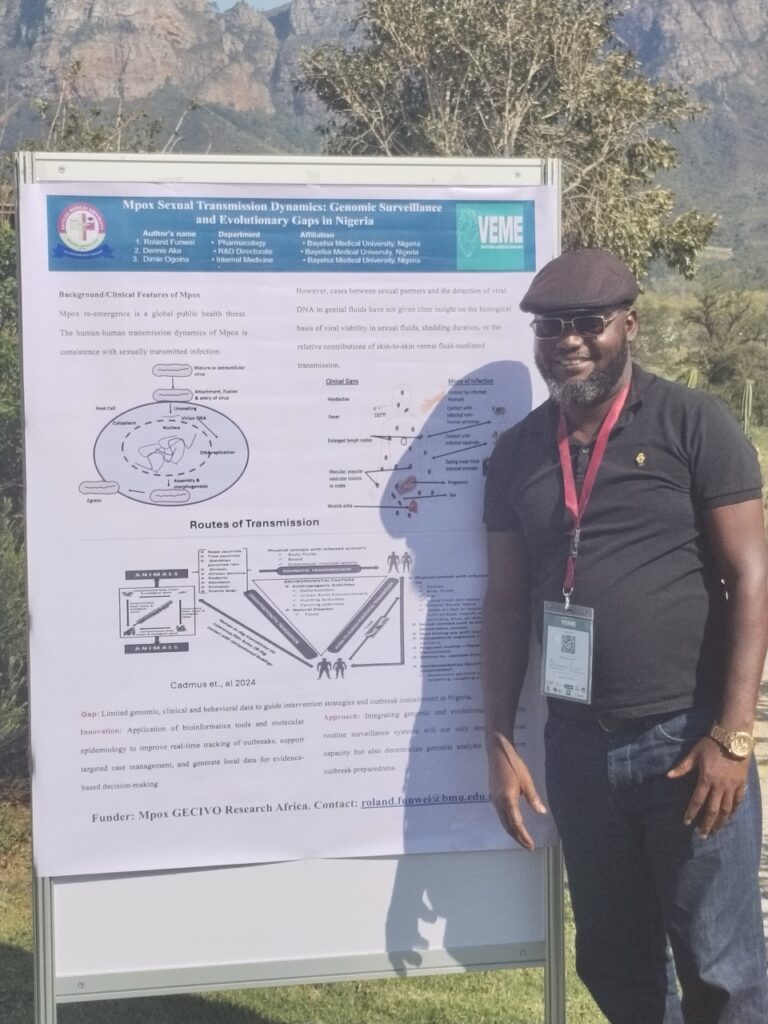
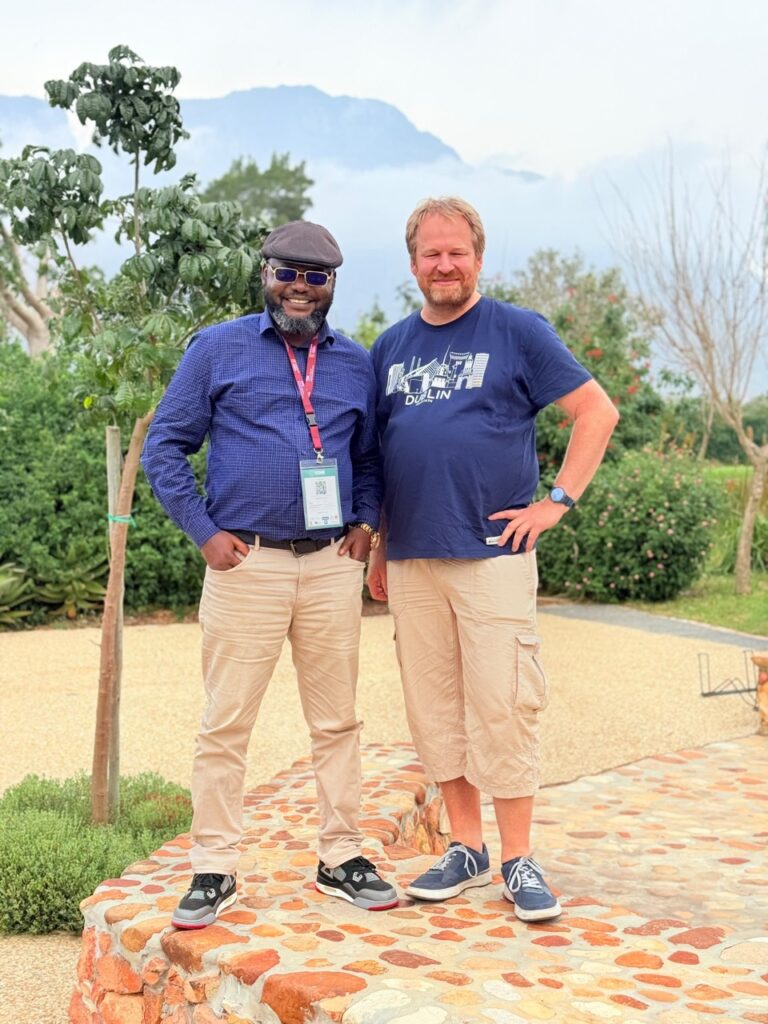

Dr Funwei, Acting Director of Research and Development at Bayelsa Medical University, is investigating the genomic, epidemiological, and biological factors influencing mpox transmission and evolution in Nigeria, including questions around sexual transmission.
Important uncertainties remain around viral shedding, infectiousness, and different routes of transmission, while locally generated genomic and epidemiological data remain limited.
For Dr Funwei, phylogenetic approaches, combined with epidemiological and behavioural information, can help investigate whether apparently linked cases are genetically related and how viral lineages may be emerging and spreading through populations.
Integrating these approaches into routine surveillance in Nigeria could support earlier detection of emerging lineages, outbreak tracking, and a better understanding of transmission pathways.
“My broader goal is to contribute to the development of genomic surveillance capacity in Nigeria, particularly through strengthening institutional platforms for pathogen sequencing, bioinformatics, molecular epidemiology, and evidence-based outbreak response,” he says.
Asking more of genomic data
As genomic datasets grow, the questions researchers can ask of them are also becoming more sophisticated.
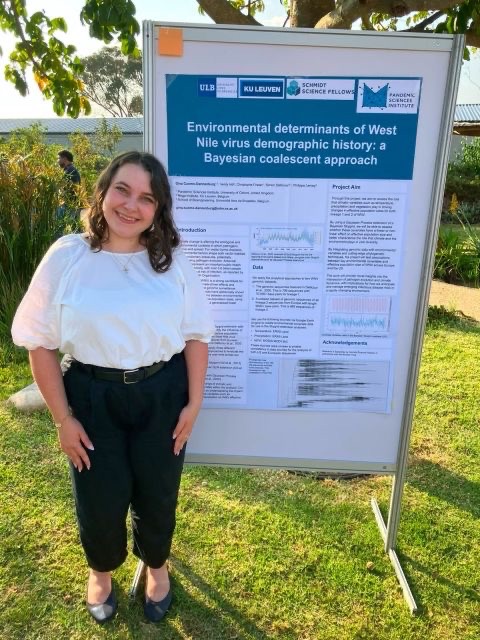

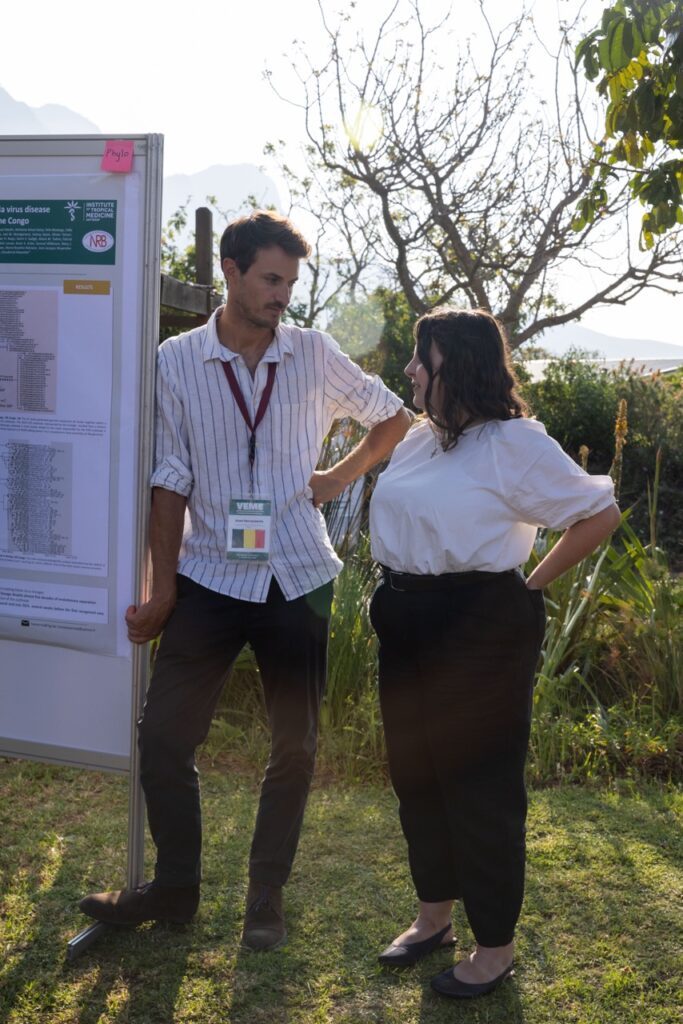
Dr Gina Cuomo-Dannenburg (pictured above), a Schmidt Science Fellow at the University of Oxford’s Pandemic Sciences Institute, is an infectious disease modeller by training. Her current research investigates how environmental and climatic factors influence West Nile virus genetic diversity.
Her work uses Bayesian Skygrid methods, which can estimate changes in effective viral population size over time and investigate relationships with external variables such as temperature and precipitation.
Newer methods are beginning to move beyond assuming that those relationships are linear – an important development for Dr Cuomo-Dannenburg’s work examining how climatic and environmental factors relate to West Nile virus dynamics.
Improvements in computational capacity and efficiency could also change the scale at which molecular epidemiology can operate.
“With the current advancements, not just in AI but in computational capacity and efficiency, over the coming years we will see many molecular epidemiology analyses that have traditionally been too computationally intensive become feasible with the large genomic datasets that are increasingly the focus of our work,” says Dr Cuomo-Dannenburg.
The possibility is not simply larger analyses, but faster ones – potentially bringing sophisticated genomic analysis closer to the timescale on which public-health decisions need to be made.
“I am personally very excited to see how this can help support countries in responding to public health threats and enable near-real-time responses to epidemics.”
Learning to ask better questions
Across very different pathogens and research settings – HIV research in Sweden and Botswana, rotaviruses in Croatia, mpox in Nigeria, and research into the climatic and environmental drivers of West Nile virus – the same scientific challenge runs through the work: extracting information from genomic data without asking it to tell us more than the evidence allows.
For Lindquist, VEME 2026 also reinforced the potential value of these approaches before the next epidemic arrives.
“The role of phylogenetic and phylodynamic analyses in pandemic preparedness is often underappreciated,” she says. “Using phylogenetics to learn from previous outbreaks and pandemics, or for surveillance of currently circulating virus variants in a region, can help us act faster and in a more targeted fashion when the next outbreak occurs.”
The power of molecular epidemiology lies not simply in generating more sequences or more complex trees, but in knowing which questions those data can answer, what other evidence they need, and where uncertainty remains.

Text: Katrine Anker-Nilssen
Photos: CERI Media, Charlie Sperring, and Supplied
News date: 2026-09-28
Links:
KRISP has been created by the coordinated effort of the University of KwaZulu-Natal (UKZN), the Technology Innovation Agency (TIA) and the South African Medical Research Countil (SAMRC).


Location: K-RITH Tower Building
Nelson R Mandela School of Medicine, UKZN
719 Umbilo Road, Durban, South Africa.
Director: Prof. Tulio de Oliveira