
Inside SWEAT Africa 2026 - the gem Feb 2026
The festival redefining Africa’s innovation future.
text and photos: CERI Media & SWEAT Africa
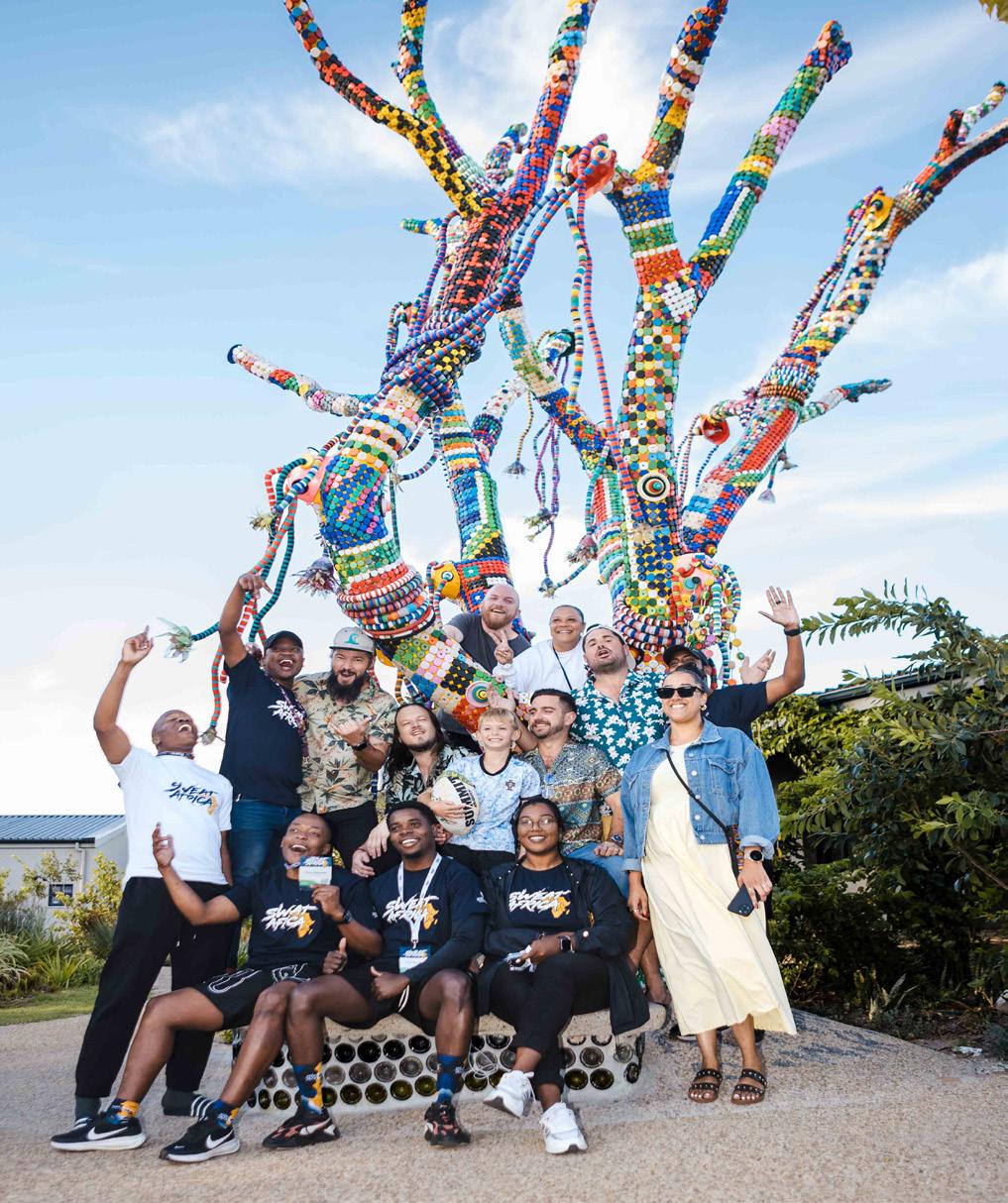
Over 440 participants from 15 African countries and 22 countries globally gathered in Stellenbosch on 13–14 February for SWEAT Africa 2026. These included 150+ founders, 100+ students, 50+ investors, 50+ researchers, and 90+ ecosystem builders who came together not simply to present ideas, but to engage across sectors that do not always meet in the same room.
Across two days, the conversations returned to a consistent theme: Africa does not lack innovation. The opportunity now lies in strengthening alignment – between research and markets, between founders, funders and investors, and between promising technology and real-world implementation.
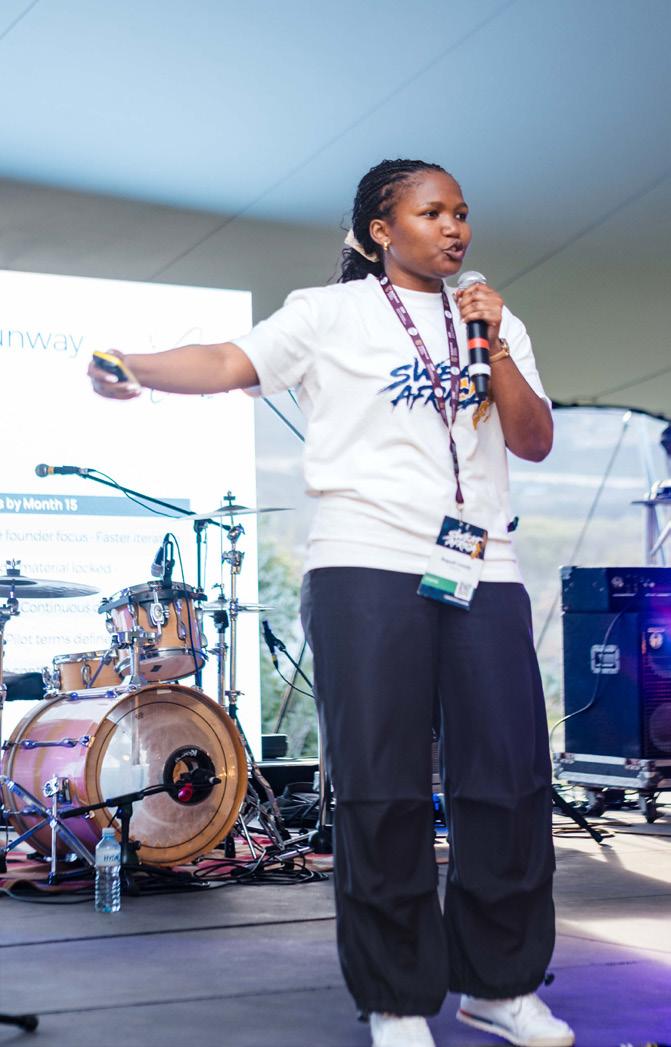
Opening the festival, Dr Richard Gordon acknowledged both the scale and the urgency of the moment. “We have 440 people here. We are not going to build Africa’s ecosystem by ourselves – we need to work together.
Go network!” Describing SWEAT as a “labour of love” built in just two months, he emphasised collaboration as a practical necessity rather than a slogan.
Prof Tulio de Oliveira, Director of Stellenbosch University’s Centre for Epidemic Response and Innovation (CERI) reflected on the event’s informal beginnings. “This all came from a chat in a wine bar after a sweaty run. The team worked day and night to make this happen… And here we are, just a few months after we decided to go ahead with it.”
Support from amazing partners helped translate that idea into a real-life platform, and brilliant ideas from the young entrepreneurial SWEAT team created a unique, fun and engaging programme – unlike anything else you’ve ever seen. This included steering from rising leaders such as Dr Ross Vermeulen, co-founder of FluoroBiotech; Maambele Khosa, founder of SheCab and a key driver of SWEAT’s marketing lead; and Tegan van der Merwe, CTO of PhagoFlux and one of the PhD student innovators shaping the event.
Reversing Traditional Formats
One of the defining features of Day 1 was the decision to reverse the traditional pitching format. Instead of founders presenting blindly, investors took the stage to clarify what they are looking for, where they are deploying capital, and how they assess risk and growth in African markets. From University Technology Fund’s focus on university spinouts to Launch Africa’s preference for B2B companies generating at least $50,000 in monthly revenue, and climate-focused investors such as Holocene and New Creation Ventures, the reverse pitches replaced guesswork with clarity and confidence.
The opening panel, hosted by Open Startup and moderated by Eya Chemli, Head of Partnerships and Fundraising at Open Startup, examined what it takes to build deep-tech ventures that are both scientifically rigorous and commercially viable. “The question is not whether the science is impressive,” Chemli noted. “It’s what makes it scalable, investable, and impactful.”
Technology Alone is Not a Product
Rowena Luk of Africa Health Ventures reminded founders that deep-tech investment requires patience and long-term thinking: “We’re not looking for the easy buck at the beginning – we’re looking at what this innovation becomes at scale.” Wayne Stocks, Managing Partner at UTF, added a practical insight: “Deep-tech doesn’t fail because the tech is too hard. It fails because the business model shows up too late.” He stressed that technology alone is not a product; it must translate into something customers are willing to pay for. Khaled Ben Jilani, Senior Partner at AfricInvest, encouraged early market engagement to mitigate risk, while Jacques Grassmann, Senior Investment Analyst, summarised the investor perspective candidly: founders must demonstrate returns compelling enough that investors regret missing the opportunity. Together, the panel provided founders with practical tools to strengthen both science and strategy.
Beyond Capital
The discussions extended beyond capital. A fireside session hosted by UVU Bio, a SWEAT Africa partner, unpacked the operational and strategic realities of commercialising innovation, while the SWEAT Equity student session tackled questions of ownership, dilution and responsible company building from the outset. These sessions reinforced that sustainable ventures are built on both technical excellence and informed decision-making.
Another major highlight was the AI panel, “AI – will we make it or will it break us?”, where Ozan Somnez, Kate Hach, Jayden Finaughty, Richard Rabbat, Jennifer Miles Thomas, and others unpacked the realities of AI integration in the modern workplace, offering frank, perspective-shifting insights.
Day 2 broadened the lens from capital readiness to systems readiness. Moderated by Pulitzer Prize–winning journalist and founder of Africa In the World, Dele Olojede, the SWEAT Panel explored how innovation successfully moves from laboratory to population-level impact.
Francis Kombe of EthIXPERT emphasised that responsible research translation is not bureaucratic delay but the foundation of trust, particularly when progressing from laboratory research to animal and human trials. He also highlighted the growing momentum behind funding solutions designed specifically for African communities.
Yolisa Nalule of Wellcome described philanthropy’s long-term approach: “We are the nerds behind the nerds.” With significant multi-year commitments to global health, she argued that impact must be defined contextually, with African institutions increasingly shaping research priorities and agendas.
The Impact, The Outcome, and The Why
Urmi Prasad Richardson reinforced the importance of communication. “You need to talk about the impact, the outcome, the why,” she said. Scientific excellence must be paired with a clear articulation of unmet need, competitive advantage and system integration. Olojede pressed the panel on how breakthroughs can more consistently reach African populations. The discussion highlighted the importance of infrastructure, distribution systems and coordination – and the growing ecosystem committed to strengthening them.
The SWEAT Africa Pitching Competition
The pitch competition provided a practical demonstration of this pipeline in action. More than 80 startups applied, with a Top 10 presenting on the main stage. Finalists included ReSurfify, Urobo Biotech, La Grace Bio, Biomine Health, Khaya HealthTech, Extracellular Vesicle in Therapeutics, Fetch Energy, NanoPula and Kelp Alginate Foundry. Urobo Biotech, a Stellenbosch University LaunchLab spin-out, ultimately secured the R100,000 prize. The company focuses on transforming bioplastic-rich waste into valuable products using enzymes and microbes, integrating into existing waste management systems.
The award recognised not only scientific innovation, but commercial potential and scalability – a strong signal of the depth of talent emerging from the continent.
Engaging Side Meetings
Alongside the main programme, side sessions created space for more targeted engagement. Before the festival formally opened, VCs and LPs gathered for an off-site lunch at Tokara Wine Farm, creating early alignment and building momentum for the days ahead. The Technology Innovation Agency (TIA) used its session to clarify funding pathways and seed criteria, with Senior Programme Manager Tshembani Khupane noting that the format enabled direct engagement with innovators. “It moves away from ‘death by presentations’ and feels much more aligned with how innovators think,” she said.
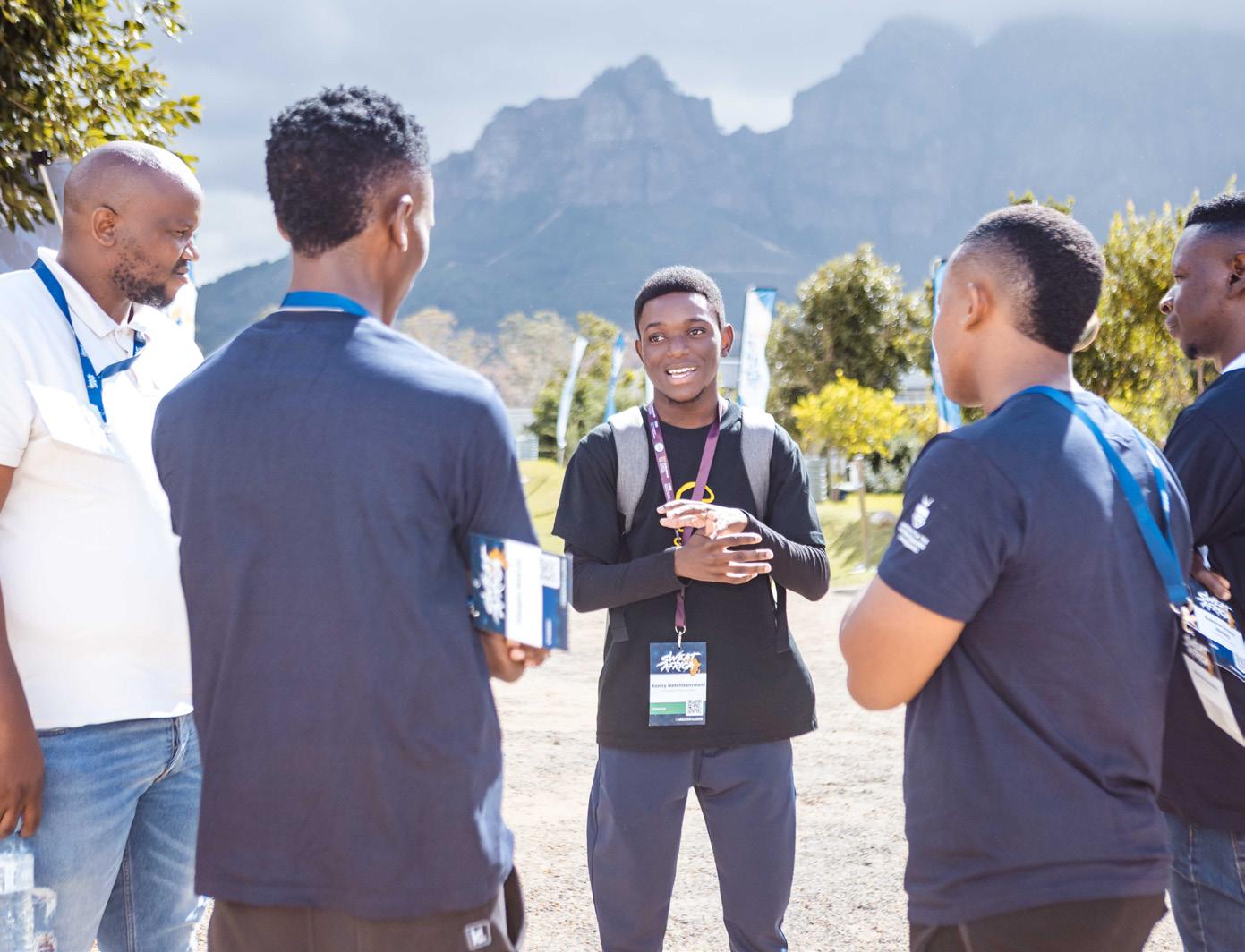
One of the most energising activations was CERI’s Padel Partnership Session, a two-hour padel match connecting VCs, LPs, and founders through movement, competition, and conversation. Participants also enjoyed active events on Saturday afternoon. With no pressure and no personal bests to chase, the Stellenbosch Shake-Out invited attendees to walk or run – getting both blood flowing and ideas moving. A grounding yoga session, giving founders and funders alike space to stretch, breathe and reset before returning to the programme, was also on offer.
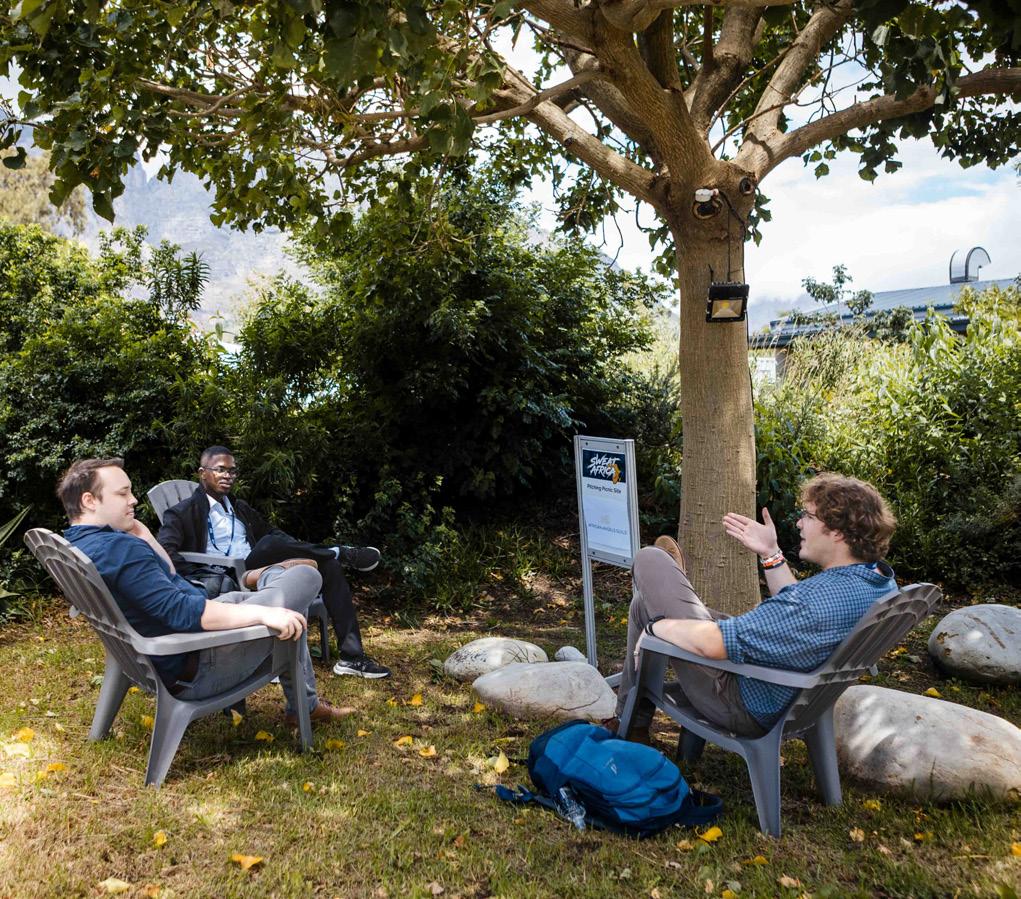
The Wits Innovation Centre brought eight student-led startups to pitch directly to investors. According to Tebogo Machete, the aim was early exposure to market scrutiny. He emphasised that rigorous questioning helps founders confront assumptions and strengthen their propositions. He also observed that the informal outdoor setting lowered barriers and encouraged more open interaction.
UVU Africa also hosted “The Impact Tasting Table” with UVU Bio, a curated wine-tasting conversation with global foundations and catalytic financiers exploring how patient, coordinated capital can unlock scale for deep-tech innovation.
Even informal activations contributed to the event’s tone. Conversations sparked around ping pong tables and padel courts often extended into discussions about partnerships and collaboration. For founders such as Dennis Maorwe of DPE Company in Kenya, the value was broader than funding alone: “It’s not just about investors. The real value is in the conversations, the shared experiences, and learning from each other.”
By the close of the weekend, SWEAT Africa had positioned itself less as a traditional conference and more as a coordination platform. It brought science, capital, ethics, philanthropy and early-stage founders into sustained dialogue. The discussions were pragmatic and solutions-focused, demonstrating the strength and maturity of Africa’s innovation ecosystem.
Africa’s Innovation Capacity is Accelerating
If there was a clear takeaway, it was this: Africa’s innovation capacity is not only evident – it is accelerating. The next phase lies in deepening alignment – ensuring that research connects to markets, capital connects to context, and innovation connects to systems capable of delivering impact at scale.
We can’t wait to see SWEAT Africa 2027 take this mission even further. See you there!
For more info, visit https://sweat.africa
“We have 440 people here. We are not going to build Africa’s ecosystem by ourselves – we need to work together. Go network!”
News date: 2026-03-03
Links:
KRISP has been created by the coordinated effort of the University of KwaZulu-Natal (UKZN), the Technology Innovation Agency (TIA) and the South African Medical Research Countil (SAMRC).


Location: K-RITH Tower Building
Nelson R Mandela School of Medicine, UKZN
719 Umbilo Road, Durban, South Africa.
Director: Prof. Tulio de Oliveira